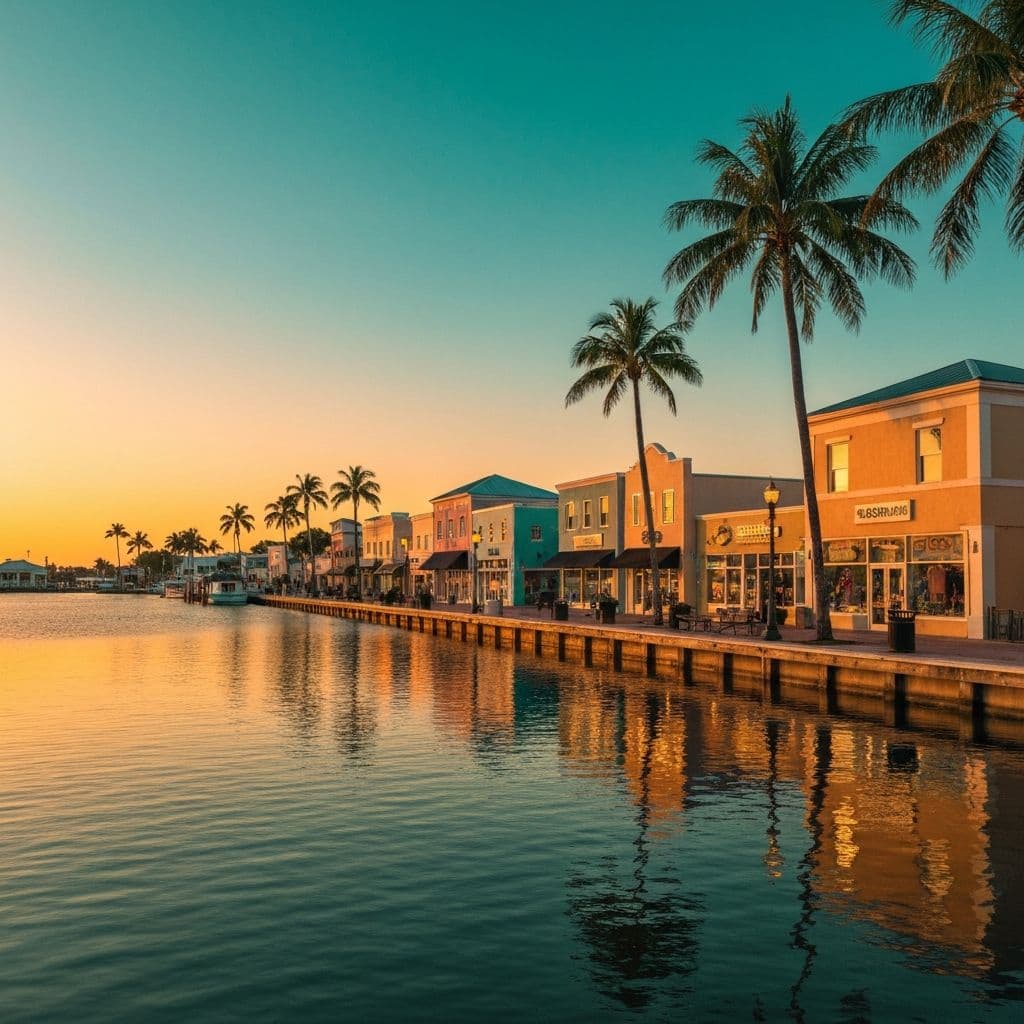
Port Salerno puts birders near the St. Lucie River, wetlands, and several Martin County preserves. Bring binoculars, check trail and access conditions, and give nesting birds plenty of space.
Port Salerno is one of those rare Florida birding bases where you do not have to choose between coastal birds, migrant songbirds, and scrub specialties. In a short radius, you can scan the St. Lucie Inlet for pelicans and terns, walk mangrove edges for winter migrants, and move inland to scrub, hammock, and river corridors that attract songbirds and raptors. That habitat diversity is exactly why Martin County markets itself as a birding destination, noting more than 300 bird species in the county and 11 official Great Florida Birding and Wildlife Trail sites.
The key to birding Port Salerno well is to think in habitats, not just parks. Waterfront overlooks help with seabirds, gulls, terns, pelicans, and passing raptors. Mangrove and lagoon edges are productive for waders and wintering shorebirds. Scrub and hammock preserves are better for migrants, woodpeckers, and resident songbirds. A strong Port Salerno morning often means hitting two or three very different sites instead of spending all day in one place.
Related reads
Keep going without starting from scratch.
Quick list
Start with these angles
- Why Port Salerno is so good for birding
- 1) St. Lucie Inlet Preserve State Park
- 2) Seabranch Preserve State Park
- 3) Maggy’s Hammock Park
Why Port Salerno is so good for birding
Port Salerno sits in a sweet spot between the Indian River Lagoon, the St. Lucie Inlet, mangrove shoreline, and inland preserves. Nearby sites range from the remote, boat-access-only St. Lucie Inlet Preserve State Park to Seabranch Preserve’s scrub and swamp mosaic, Maggy’s Hammock’s old live oaks, and river-edge sites like Halpatiokee and Kiplinger. That variety gives visiting birders a much better chance of building a diverse day list than they would at a single beach or single wetland site.
1) St. Lucie Inlet Preserve State Park
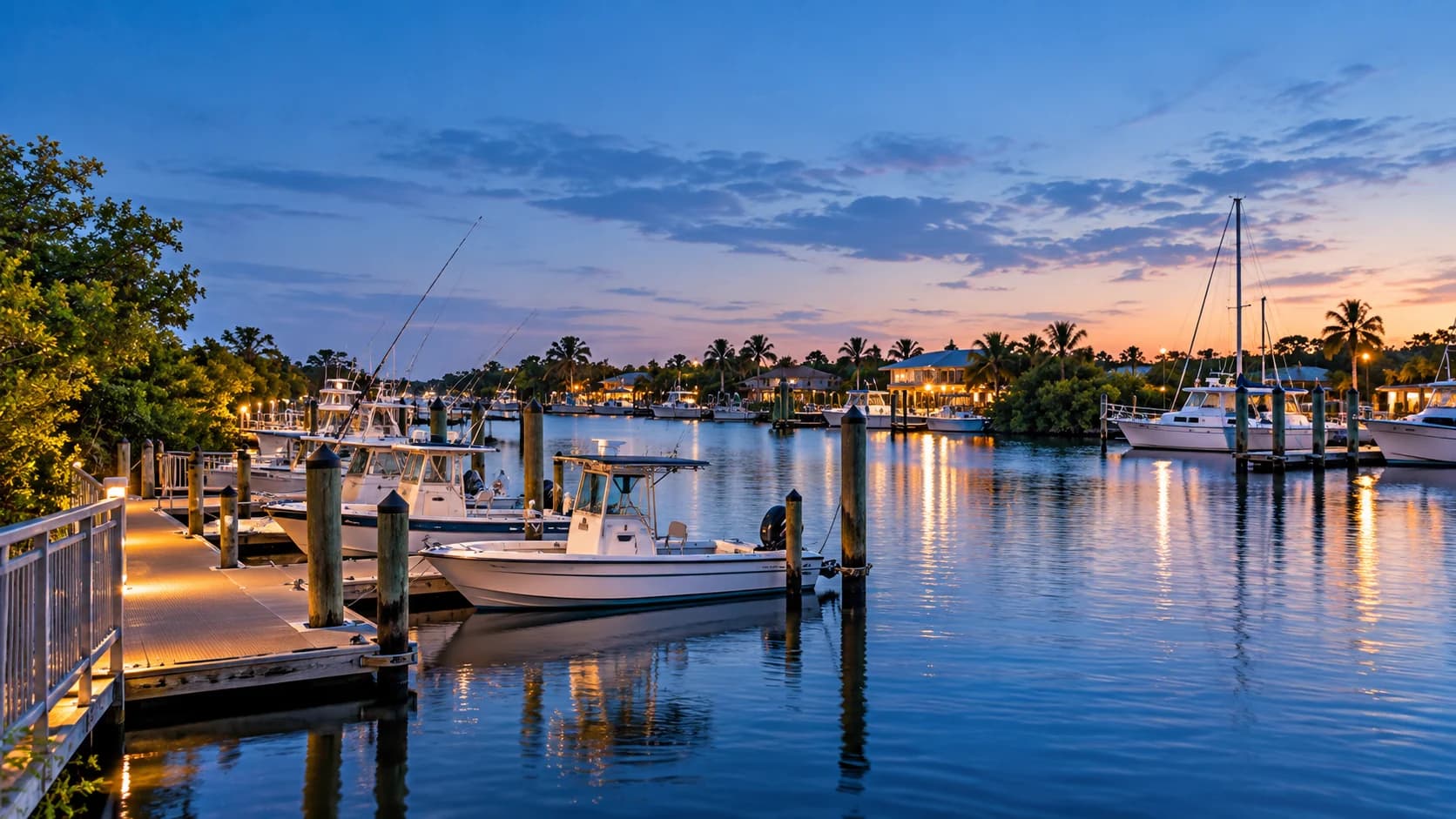
If you want the most distinctive birding experience tied directly to Port Salerno, start here. The preserve is on Jupiter Island, accessible only by boat, and the Florida Birding Trail describes it as one of the most remote beach experiences left in this part of the state. Boardwalks through the mangroves can be productive for Mangrove Cuckoos in summer and migrants in fall and winter, while the beach can hold plovers, gulls, and terns; the Trail also notes that Purple Sandpipers occasionally appear on the northern jetty in winter.
The appeal is the mix of habitats: it combines a true inlet, mangroves, beach habitat, and relative remoteness in one stop. Martin County also highlights it as a wildlife hotspot on the Great Florida Birding Trail. The practical catch is access: you need a boat, canoe, or kayak, and the park operates daily from 8 a.m. to sunset.
Best for: experienced birders, winter coastal birding, summer mangrove birding, photographers, paddlers.
Local tip
Use the article for evergreen ideas and the newsletter for what is happening right now.
That combination gives you the best shot at finding something that fits the season, your schedule, and what is actually open or active this week.
2) Seabranch Preserve State Park
Seabranch is one of the most reliable all-around birding sites in the Port Salerno area because the habitat changes quickly over a short distance. Martin County notes that in less than a mile you can move through sand pine scrub, scrubby flatwoods, baygall, and mangrove swamp, with more than 6 miles of trails plus a 1.7-mile paved East Coast Greenway segment through the preserve.
That mix matters. Scrub gives you a shot at species tied to dry, sandy habitat, while the lower, wetter sections broaden the list with edge birds and migrants. Martin County specifically points to scrub-jay habitat here, and the preserve is one of the strongest answers for readers searching where to see birds in Port Salerno without a boat.
Seabranch is also easy to recommend to mixed groups because it works for serious birders, walkers, and families who just want a scenic nature stop. In practical terms, it is one of the most accessible “core” birding sites in the area.
Best for: habitat diversity, easy self-guided birding, scrub-edge birding, birders without water access.
3) Maggy’s Hammock Park
For a short outing with surprisingly good birding, Maggy’s Hammock is one of the best pure Port Salerno picks. Martin County describes it as a 22-acre conservation area in Port Salerno with threatened scrub and maritime hammock communities, and specifically notes that the plant diversity produces berries that attract a huge assortment of songbirds.
The Florida Birding Trail is even more direct: on good migration days, Maggy’s Hammock can be a hotbed of feeding songbirds. That makes it an excellent stop in spring and fall, especially when migrants are moving through live oak canopy and sheltered hammock habitat. It is also easy to walk, with a mile-long loop and an accessible linear trail cutting through the preserve.
This is the kind of place advanced birders like as a “quick check” site and beginners like because it is intimate, shaded, and not overwhelming. In baseball terms, it is not the home-run park for massive species totals; it is the high-contact hitter that often saves a slow migration day.
Best for: migration mornings, family-friendly birding, songbirds, easy walks in Port Salerno proper.
4) Sandsprit Park
Sandsprit is less about trail birding and more about scanning water, shoreline, and sky. Martin County places it at the entrance to Manatee Pocket, facing the St. Lucie Inlet and the Indian River Lagoon, with piers, waterfront walkways, beach areas, and broad open views. That layout makes it strong for quick checks of pelicans, gulls, terns, cormorants, passing ospreys, and other birds moving with tide, bait, and boat traffic.
It also matters that Discover Martin’s top hotspot roundup includes Sandsprit among Martin County’s leading birding sites. So while it is not as habitat-rich as Seabranch or as immersive as St. Lucie Inlet Preserve, it absolutely deserves a place in a Port Salerno birding itinerary because it is one of the fastest places to add open-water and inlet species.
For visitors staying nearby, Sandsprit works especially well at first light or late afternoon when you want a shorter session without committing to a longer trail.
Best for: pelicans, terns, quick tide checks, sunrise or sunset birding, easy-access waterfront scanning.
5) Peck Lake Park
Peck Lake Park is just south of Port Salerno and is one of the smartest nearby additions because it compresses a lot of habitat into a relatively easy walk. The Florida Birding Trail says its linear trail crosses seven habitat types, from mesic flatwoods to tidal swamp on the Intracoastal Waterway, and that it can be productive especially during spring and fall migration. The site also calls out migrants such as Swainson’s Warblers in spring and Spotted Sandpipers in winter.
For visitors, Peck Lake is a strong answer to “Where should I go after Seabranch?” The reason is complementary habitat. If Seabranch is your scrub-and-trail play, Peck Lake is your migration-and-estuary crossover site. It is also free and open sunrise to sunset.
Best for: migrant songbirds, winter shorebird checks, easy add-on stop south of Port Salerno.
6) Halpatiokee Regional Park
Halpatiokee is inland compared with the inlet sites, but that is exactly why it is valuable. The park and preserve include oak hammock, scrub, flatwoods, and river frontage along the South Fork of the St. Lucie River. The Florida Birding Trail recommends the river trails during spring and fall migration and in winter, noting mixed feeding flocks with birds like Northern Parulas and Black-and-white Warblers, plus the chance for Swallow-tailed Kites and occasional Short-tailed Hawks overhead.
If the coast is slow because of wind or tide, Halpatiokee is one of the best pivots. Think of it as your “change of pitching” site: when open-water birding is quiet, inland edge habitat can suddenly deliver a much better passerine morning.
Best for: migrant warblers, mixed flocks, inland variety, river-edge birding.
7) Kiplinger Nature Preserve
Kiplinger is another excellent inland counterpoint to Port Salerno’s coastal sites. Martin County describes it as a preserve with nearly three miles of riverfront, while the Florida Birding Trail highlights a mosaic of scrub, wet prairie, bayheads, and mangrove edge. Those ecotones are specifically noted as strong for wintering songbirds, with opportunities for woodpeckers, hawks, waders, and even nesting Sandhill Cranes in late spring.
This is a strong site for birders who like slowly worked trails and edge habitat rather than open-water scanning. It is not the most famous spot in the area, which is exactly why it can feel high-value: less obvious, more varied, and often productive when bird movement is happening inland.
Best for: winter songbirds, waders on mangrove edge, patient trail birding.
8) Jonathan Dickinson State Park
Jonathan Dickinson is a short drive south of Port Salerno and is the heavy hitter if you want a bigger species list or a chance at Florida specialties. The Florida Birding Trail says birding is good year-round, especially in cooler months, and calls out Florida Scrub-Jays, Hairy Woodpeckers, Red-headed Woodpeckers, and Bachman’s Sparrows from March through June. It also notes opportunities on the Loxahatchee River for birds like Little Blue Herons, Least Bitterns, and wintering Northern Waterthrushes, with Bald Eagles, Common Nighthawks in summer, and roadside Wild Turkeys also possible.
For readers building a weekend birding itinerary, Jonathan Dickinson is the “go big” option. It is farther than the Port Salerno core sites, but if you have half a day and want the broadest habitat sweep plus a realistic chance at scrub birds, it is worth the drive. Martin County’s birding materials also specifically point birders there for Florida Scrub-Jays.
Best for: scrub specialties, bigger day lists, half-day trips, year-round birding.
9) Possum Long Nature Center
Possum Long is not in Port Salerno, but it is useful for beginners, families, and anyone wanting a shorter low-stress birding stop. Audubon of Martin County says the preserve behind the center includes almost 5 acres of urban forest, and the grounds are open daily from dawn to dusk. Discover Martin notes birds there such as red-bellied woodpeckers, hummingbirds, and osprey.
This is a good “bonus” site rather than a destination anchor, but it fits nicely into a broader Martin County itinerary and gives casual birders a welcoming entry point.
Best Port Salerno birding itinerary by time available
If you only have 2 hours, do Sandsprit Park + Maggy’s Hammock. That gives you water birds, inlet scanning, and a quick migration/songbird stop.
If you have half a day, do Seabranch Preserve + Peck Lake Park or Seabranch + Sandsprit. That combination covers scrub, edge habitat, and open water efficiently.
If you have a full day, build around St. Lucie Inlet Preserve if you have water access, then add Maggy’s Hammock or Halpatiokee depending on whether migration is favoring coastal edges or inland canopy.
Best time of year for birding in Port Salerno
Port Salerno is not a one-season destination, but different sites peak differently. Spring and fall migration are especially strong for places like Maggy’s Hammock, Peck Lake, and Halpatiokee. Winter improves shorebird and mixed-flock potential at sites like Peck Lake, Halpatiokee, and St. Lucie Inlet Preserve. Summer is more specialized, but it can be rewarding for mangrove and breeding-season birding, including the Mangrove Cuckoo window noted at St. Lucie Inlet Preserve.
Practical tips for birding Port Salerno
Start early. Heat, glare, and boat traffic make many coastal sites less productive later in the day. Waterfront locations like Sandsprit are best when the light is softer and bird movement is easier to track.
Bring more than binoculars. A spotting scope is useful for inlet and beach views, while water, sun protection, insect repellent, and footwear that can handle sandy or occasionally damp trails matter at sites like Seabranch and St. Lucie Inlet Preserve.
Use habitat to your advantage. If the inlet is quiet, do not force it. Shift to hammock or river-edge trails. In Port Salerno, the fastest way to improve your list is often to change habitat, not stay longer at a slow site. That is the local equivalent of changing lures when the fish are ignoring the first one.
Final verdict
If you want the single best signature birding experience in Port Salerno, it is St. Lucie Inlet Preserve State Park. If you want the best easy-access all-around site, it is Seabranch Preserve State Park. If you want the best short stop in Port Salerno proper, choose Maggy’s Hammock or Sandsprit Park depending on whether you want songbirds or waterfront scanning. And if you want to turn Port Salerno into a real weekend birding base, add Peck Lake, Halpatiokee, and Jonathan Dickinson to cover migration, inland canopy, and Florida specialties.
FAQ
Common questions
What is the best birding spot in Port Salerno?
For the most distinctive experience, St. Lucie Inlet Preserve State Park stands out because it combines mangroves, beach habitat, and relative remoteness, but it requires boat access. For easiest access and broadest habitat mix, Seabranch Preserve State Park is the most practical top pick.
Where can I go birding in Port Salerno without a boat?
Your best options are Seabranch Preserve State Park, Maggy’s Hammock Park, and Sandsprit Park. Seabranch is best for habitat diversity, Maggy’s Hammock is excellent for migrants and songbirds, and Sandsprit is best for scanning the inlet and waterfront.
Is Port Salerno good for beginner birders?
Yes. Port Salerno is especially good for beginners because the area offers several easy-access parks with different birding styles. Sandsprit is simple for visual scanning, while Maggy’s Hammock and Possum Long are approachable walking sites with shorter trails.
When is the best time to go birding in Port Salerno?
The best overall windows are spring and fall migration, especially for hammock and trail sites, while winter is strong for shorebirds, mixed flocks, and coastal scanning. Summer can still be rewarding, particularly at mangrove-focused sites like St. Lucie Inlet Preserve.
Are there Florida Scrub-Jays near Port Salerno?
Yes. Martin County specifically points birders toward Jonathan Dickinson State Park for Florida Scrub-Jays, and Seabranch also contains scrub habitat associated with scrub specialists.
Which Port Salerno birding spots are best for migration?
For migration, the strongest bets are Maggy’s Hammock, Peck Lake Park, and Halpatiokee Regional Park. Those sites are specifically noted by the Florida Birding Trail for migration or seasonal songbird activity.
Can I see shorebirds and seabirds near Port Salerno?
Yes. St. Lucie Inlet Preserve State Park is best for plovers, gulls, terns, and other beach-associated birds, while Sandsprit Park is excellent for scanning open water, the inlet, and passing pelicans and terns.
Are there family-friendly birding spots in Port Salerno?
Yes. Maggy’s Hammock Park is especially family-friendly, with an accessible trail and playground, while Sandsprit Park offers easy waterfront access and amenities.
Sources
Reference links
- Birding Martin County | Martin County
- Seabranch Preserve State Park | Martin County
- St. Lucie Inlet Preserve State Park - Florida Birding Trail
- St. Lucie Inlet Preserve State Park | Beaches in Martin County
- Maggy’s Hammock Park | Martin County Florida
- Maggy's Hammock - Florida Birding Trail
- Sandsprit Park | Martin County
- The Top Birding Hot Spots in Martin County | Martin County
- Martin – Florida Birding Trail
- Peck Lake Park - Florida Birding Trail
- Halpatiokee Regional Park | Martin County Florida
- Halpatiokee Regional Park - Florida Birding Trail
- Kiplinger Nature Preserve | Martin County Florida
- Kiplinger Nature Preserve - Florida Birding Trail
- Jonathan Dickinson State Park - Florida Birding Trail
- Audubon of Martin County, Stuart Florida / POSSUM LONG
- Maggy’s Hammock Park | Martin County
Written by
Derek Brumby
We publish Treasure Coast guides for residents, newcomers, and weekend planners. Our goal is to combine local context, linked source material, and ongoing page updates so a reader can act on the guide instead of just skim it.
Derek Brumby is the sole author and editor. On The Treasure Coast is owned and published by Brumby LLC.
Research and updates
Last verified March 18, 2026
This guide was written and edited by Derek Brumby using linked local and official sources, then reviewed for Treasure Coast planning context.