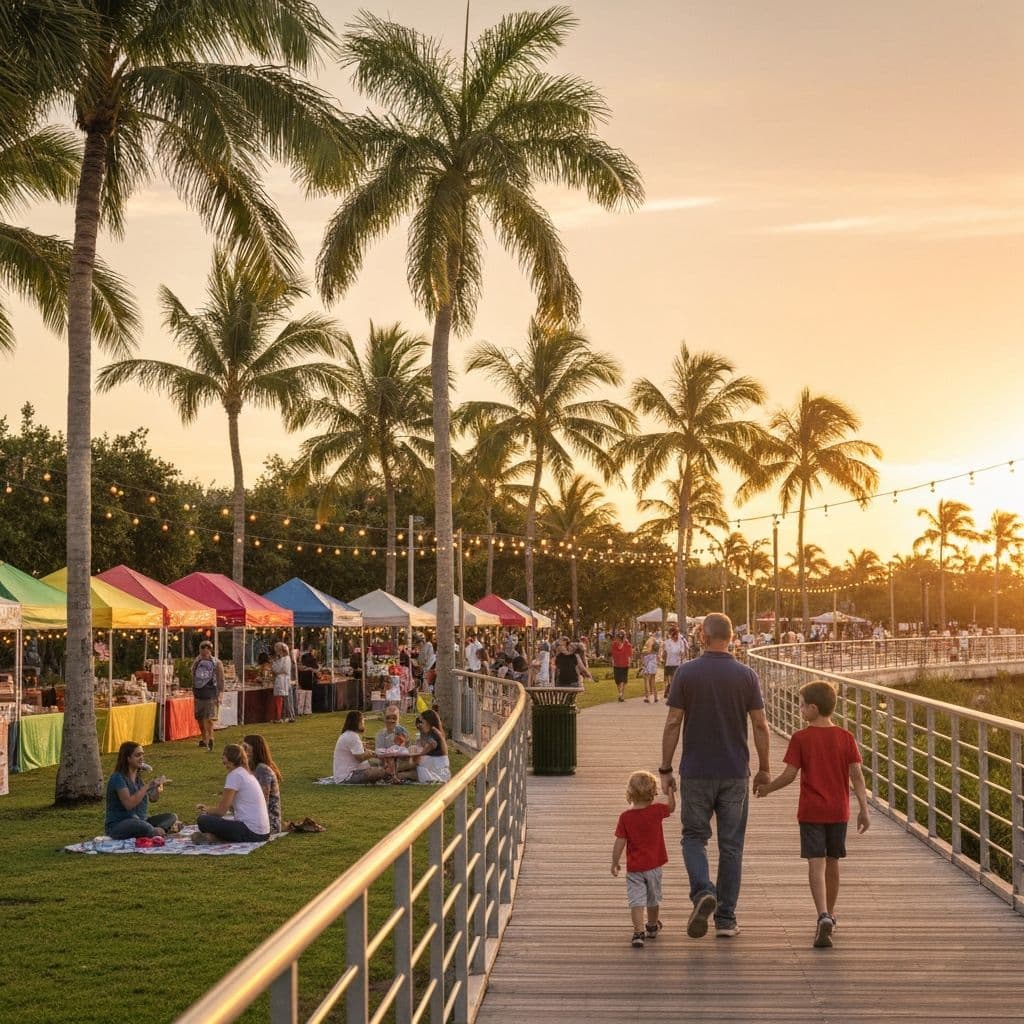
Port St. Lucie appeals to a lot of movers for the same reason: it offers a Florida lifestyle that usually feels calmer, less crowded, and more attainable than Miami, Fort Lauderdale, or much of Palm Beach County.
Moving here goes more smoothly when you understand one thing up front: Port St. Lucie is not a beach town in the classic walk-out-your-door-to-the-ocean sense. It is a spread-out residential city with newer neighborhoods, parks, golf, and coastal access, and it works best when you plan for that reality instead of imagining something more walkable or resort-like.
Related reads
Keep going without starting from scratch.
Quick list
What to know first
- Biggest lifestyle shift: it feels suburban, not urban
- Housing is often more attainable than farther south, but no longer cheap
- Insurance and flood risk need to be treated as first-order costs
- You will probably need a car for most of daily life
- Healthcare access is better than many movers expect
- Beach access is close, but usually not outside your neighborhood
The Biggest Lifestyle Shift: It Feels Suburban, Not Urban
If you are moving from a denser metro, Port St. Lucie will likely feel spacious and quiet. Daily life is defined more by subdivisions, arterial roads, shopping centers, and planned communities than by a compact downtown.
That can be a plus if you want newer housing stock, larger lots, a slower pace, and easier access to parks, golf, and routine errands. It can be a drawback if you want a lively downtown core, default walkability, or short commutes without carefully choosing where you live.
A useful rule here is to choose your neighborhood based on your weekly routine, not just the house. In Port St. Lucie, where you live can shape your experience more than in a compact city.
- More subdivision-and-corridor living than downtown living
- Strong fit for people who want space and routine
- Weaker fit for people seeking walkable urban energy
- Neighborhood choice matters a lot
You Are Paying for Space, but Housing Still Is Not Cheap Florida Anymore
Port St. Lucie became known as a more affordable Florida option, but that reputation needs updating. It can still look more attainable than many South Florida markets, but it is no longer a hidden bargain by national standards.
What that means in practice is simple: buyers often get more house for the money than farther south, but renters still need to budget carefully, and insurance, taxes, and HOA fees can materially change the true monthly cost.
For buyers, the smartest comparison is not just price per house. It is the all-in monthly ownership cost once insurance, flood exposure, utilities, and commuting are factored in.
- Relative value is real, cheap housing is not
- More square footage is a major draw
- True monthly cost matters more than list price alone
- HOAs, taxes, and insurance can change the math quickly
Local tip
Use the article for evergreen ideas and the newsletter for what is happening right now.
That combination gives you the best shot at finding something that fits the season, your schedule, and what is actually open or active this week.
Florida Tax Advantages Are Real, but Insurance Can Erase Some of the Savings
Florida's lack of a personal state income tax remains a real relocation advantage, especially for retirees and remote workers.
But in Port St. Lucie, buyers need to treat insurance as a first-class moving expense, not an afterthought. Homeowners insurance, hurricane deductibles, wind-mitigation features, and flood exposure can all change the financial picture substantially.
A house that looks affordable on paper can become expensive quickly if it sits in a higher-risk area or needs insurance-related upgrades.
- No state income tax helps
- Insurance can erase part of the savings
- Hurricane deductibles matter
- Roof age, windows, and flood exposure should be checked early
Flood Zones and Storm Prep Are Part of Normal Home Shopping Here
This is one of the most important things to know before moving. Port St. Lucie and the surrounding county are susceptible to flooding from heavy rainfall, tropical storms, hurricanes, and storm surge.
That does not mean Port St. Lucie is a bad place to live. It means new residents should house-hunt differently: check the exact address in FEMA tools, ask whether flood insurance is required or advisable, learn the evacuation zone, and ask about prior water intrusion and drainage around the lot.
This is the Florida version of checking foundation issues in colder states. It is simply part of being a smart buyer.
- Flood and storm prep are part of normal due diligence
- Use exact-address flood and evacuation tools
- Ask about prior water issues and lot drainage
- Treat risk review as basic home shopping, not a special extra
You Will Probably Need a Car, Even Though Transit Exists
Port St. Lucie is largely a driving city. Local transit exists, and the county's fare-free service plus the Port St. Lucie Express help, but for most residents a car remains the practical default for work, school, shopping, and healthcare.
This matters more than many movers expect. A house that seems only twenty minutes away can feel much less convenient when that drive happens every day across major roads.
- Transit exists but does not replace car ownership for most residents
- Commute and errand patterns matter a lot
- Location inside PSL changes daily convenience
- Best fit for people comfortable with suburban driving
Airport Access Is Workable, but Not Ultra-Convenient
For commercial flying, many residents use Palm Beach International Airport. That is manageable for occasional travelers, but it adds friction for people who fly constantly for work.
Treasure Coast International Airport is useful for general aviation and charter-related needs, but it is not the answer for routine commercial travel.
- Fine for occasional travel
- Less ideal for frequent flyers
- Regional access exists, but not at your doorstep
- Airport convenience should be weighed honestly before moving
The Beach Is Nearby, but Not Usually Right Outside Your Neighborhood
A common misunderstanding is that Port St. Lucie is directly on the beach. It is not. One of its lifestyle advantages is proximity to beaches rather than beachfront living.
That is a strong tradeoff for many movers: easier day-to-day living than on barrier islands, maintained beach access for weekends or mornings, and often lower housing costs than direct-ocean markets.
The better mental model is inland with coastal access, not classic beachfront city.
- Beach access is a perk, not the default streetscape
- Good compromise between convenience and coastline access
- Helps avoid some direct-beach premiums
- Important expectation to get right before moving
Healthcare, Schools, and Utilities Are Better Than Some People Expect
Healthcare access is a meaningful advantage, especially for retirees and families, thanks to major local facilities like Cleveland Clinic Tradition Hospital and HCA Florida St. Lucie Hospital.
Schools deserve a neighborhood-by-neighborhood look rather than a blanket assumption. District-level results are encouraging, but families should still verify exact zoned schools, compare program fit, and consider commute patterns alongside school placement.
Utilities are generally straightforward, but newcomers should still confirm exact service providers, septic versus sewer edge cases, internet options, and any HOA restrictions tied to the property.
- Healthcare access is a real plus
- School research should be done at the address level
- Utility setup is usually simple, but not identical everywhere
- HOAs and internet options should be checked before signing
Recreation Is a Real Quality-of-Life Advantage, but the Best Fit Is Specific
Port St. Lucie works well for people who want an everyday outdoor lifestyle built around parks, sunshine, water access, golf, and a lower-stress routine.
It tends to fit three groups especially well: the space-seeker leaving a denser market, the retiree or near-retiree prioritizing healthcare and taxes, and the family seeking a newer-growth suburb with parks and relative value.
It is usually a weaker fit for people who want dense city energy, heavy nightlife, or a car-light lifestyle.
- Strong for space-seekers
- Strong for retirees and families
- Weak fit for dense-city preferences
- Everyday quality-of-life recreation is one of PSL's biggest selling points
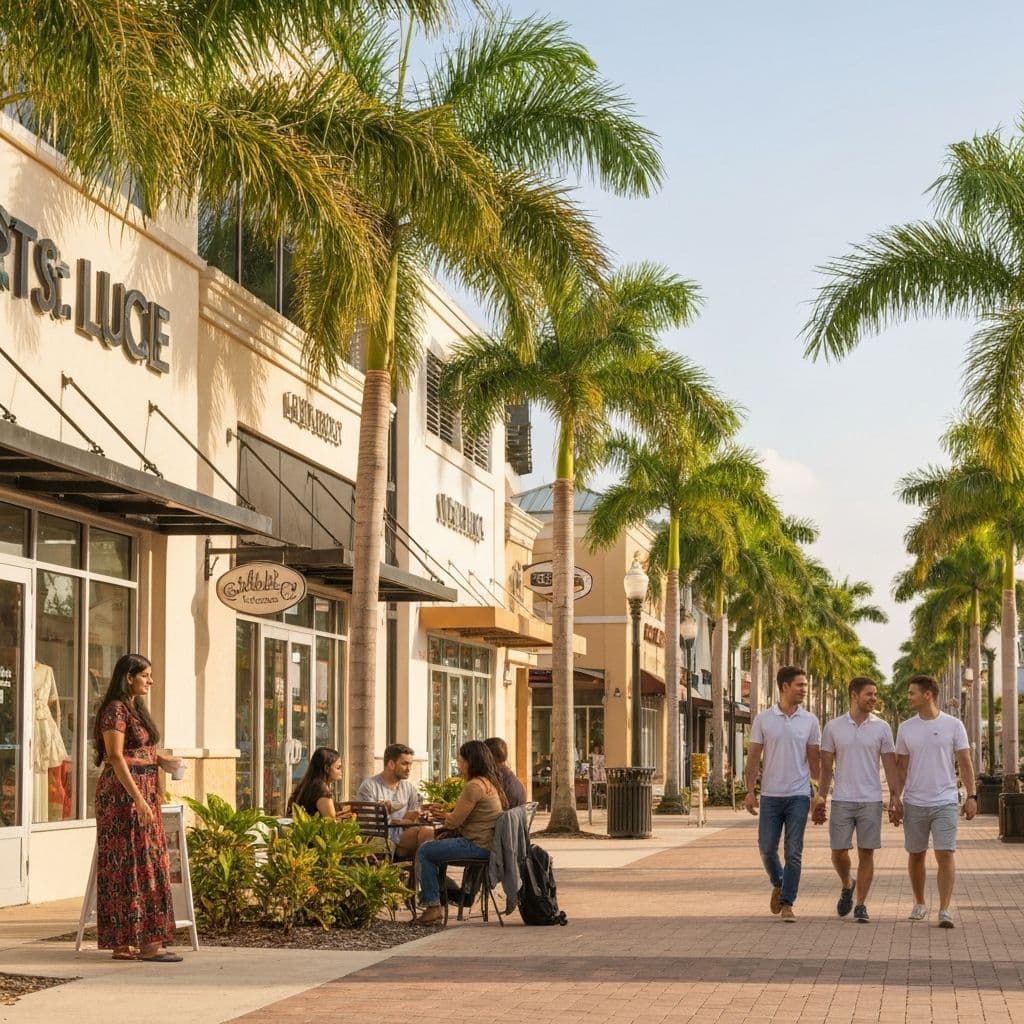
What to Do Before You Move
Before committing to Port St. Lucie, test-drive your likely routine, price the full monthly cost, check flood and evacuation status by exact address, evaluate neighborhoods instead of only the city name, and be honest about the lifestyle you actually want.
Port St. Lucie can be a strong move if you want suburban comfort with coastal access. It is a weaker one if what you really want is walkable urban energy but are trying to talk yourself into suburbia.
- Test-drive real routes at realistic times
- Price taxes, insurance, HOA, utilities, and commute costs
- Use official flood tools instead of listing descriptions
- Pick a neighborhood that matches your routine
Bottom Line
Port St. Lucie can be an excellent move if you understand what it actually offers: a large, fast-growing suburban city with more space than South Florida's core, nearby beaches rather than direct beach living, meaningful healthcare access, family-friendly amenities, and the financial upside of Florida's no-income-tax structure.
The biggest mistake is treating Port St. Lucie like a generic cheap beach move. The better view is this: it is a practical Florida relocation option for people who want room to live and can plan carefully around weather, transportation, and true monthly cost.
FAQ
Common questions
What should I know before moving to Port St. Lucie?
The biggest things to know are that Port St. Lucie is suburban and car-oriented, housing is more attainable than some South Florida markets but not cheap, insurance and flood risk matter, and beach access is nearby rather than built into most neighborhoods.
Is Port St. Lucie a beach town?
Not in the classic walk-out-to-the-ocean sense. It is better understood as an inland residential city with good access to nearby beaches along the Treasure Coast.
What kind of mover is Port St. Lucie best for?
Port St. Lucie tends to work best for people who want more space, a calmer suburban pace, healthcare access, family-friendly neighborhoods, and coastal access without paying for direct beachfront living.
Sources
Reference links
- About PSL | City of Port St. Lucie, FL
- Port Saint Lucie Home Values | Zillow
- Property Tax - Taxpayers - Exemptions | Florida Department of Revenue
- Florida Tax Guide
- Homeowners Insurance | FLOIR
- Flood Protection Information | St. Lucie County, FL
- Area Regional Transit | St. Lucie County, FL
- Airports Near Me - Port Saint Lucie, Florida | Travelmath
- Port St Lucie Florida - Things to Do & Attractions | Visit Florida
- Tradition Hospital | Cleveland Clinic
- St. Lucie Public Schools | Facebook
- Utility Systems | City of Port St. Lucie, FL
- Botanical Gardens | City of Port St. Lucie, FL
- FEMA Flood Map Service Center
Written by
Derek Brumby
We publish Treasure Coast guides for residents, newcomers, and weekend planners. Our goal is to combine local context, linked source material, and ongoing page updates so a reader can act on the guide instead of just skim it.
Derek Brumby is the sole author and editor. On The Treasure Coast is owned and published by Brumby LLC.
Research and updates
Last verified March 11, 2026
This guide was written and edited by Derek Brumby using linked local and official sources, then reviewed for Treasure Coast planning context.