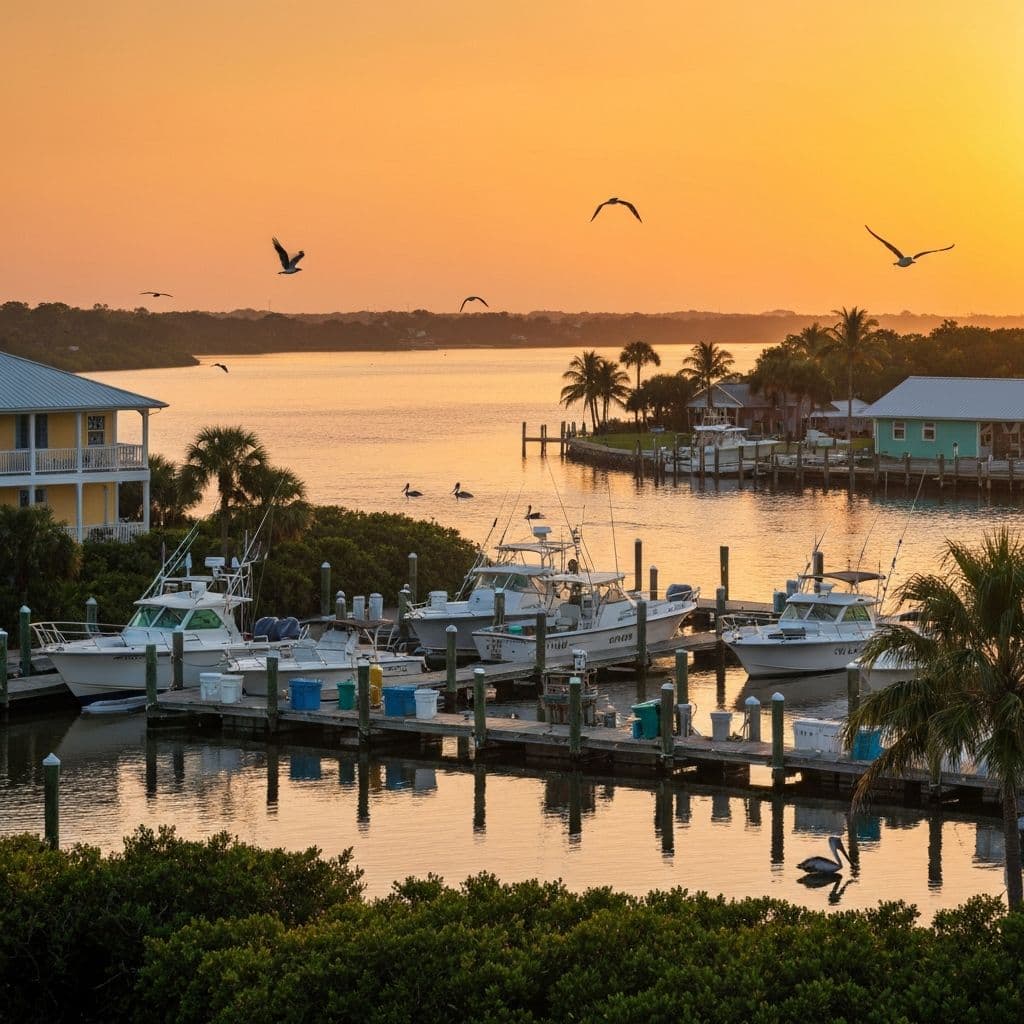
St. Lucie West is a surprisingly strong base for wildlife watching because you can reach several very different habitats in one outing: hydric hammocks and pine flatwoods at Oxbow, floodplain forest at Ten Mile Creek, scrub at Gordy Road, large marsh-and-flatwoods landscapes at Bluefield Ranch, wet prairie and basin marsh at Savannas Preserve, and coastal shorebird habitat at Fort Pierce Inlet. That habitat variety is what makes this part of Port St. Lucie so rewarding for birders, photographers, paddlers, and families who want to see more than just one type of Florida wildlife.
Related reads
Keep going without starting from scratch.
Quick list
Start with these angles
- 1) Oxbow Eco-Center & Preserve
- 2) Savannas Preserve State Park
- 3) Bluefield Ranch Preserve
- 4) Ten Mile Creek Preserve
1) Oxbow Eco-Center & Preserve
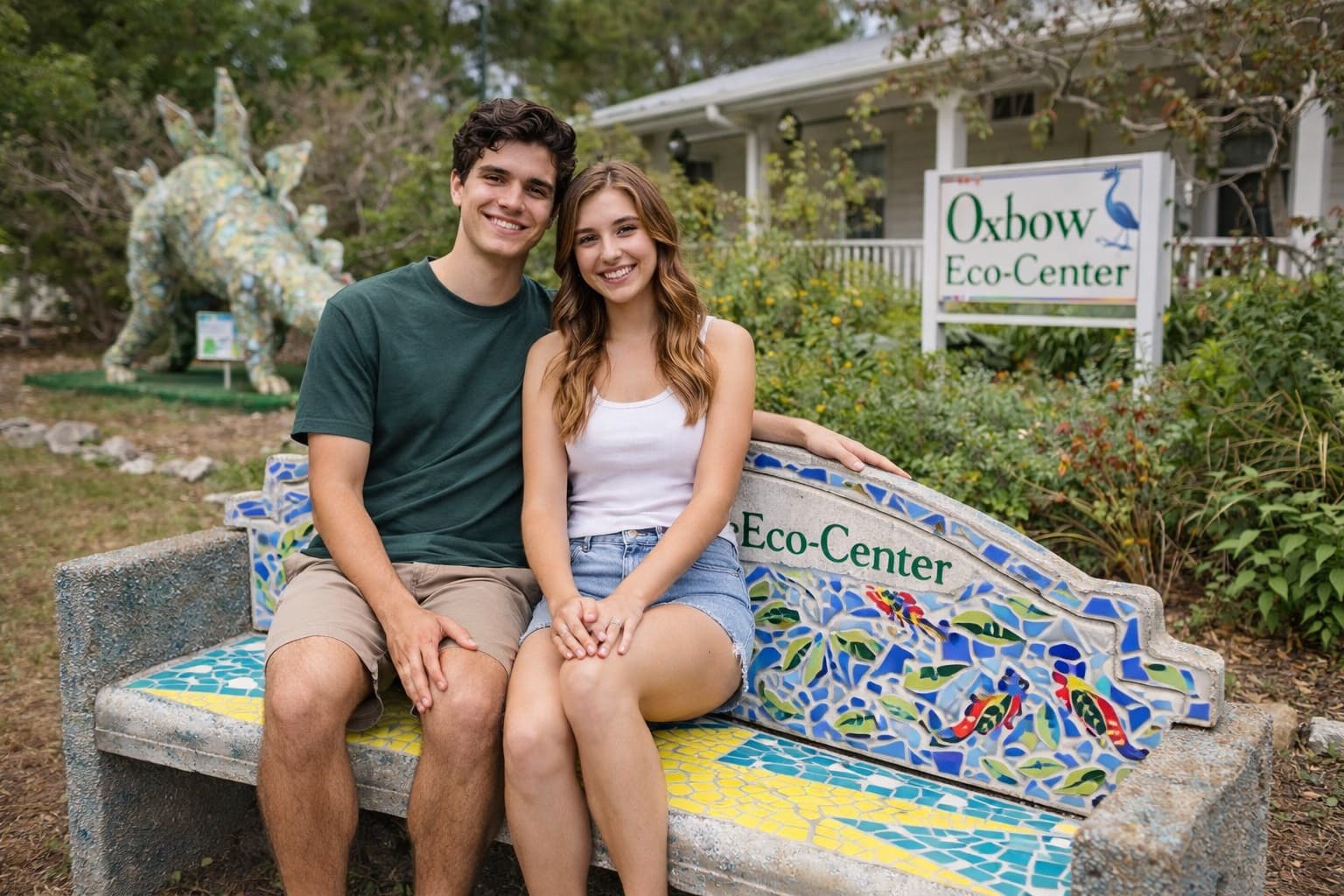
If you want the best all-around wildlife spot near St. Lucie West, start with Oxbow. The preserve offers more than four miles of trails through hydric hammocks, pine flatwoods, marsh overlooks, and river-edge habitat, which means you are not locked into just one ecosystem. County information highlights frequent sightings of gopher tortoises, armadillos, sandhill cranes, otters, manatees, bobcats, alligators, monarchs, and zebra longwings, making Oxbow one of the most versatile places in the area for casual wildlife watching.
Oxbow is also one of the most accessible choices for families and first-time visitors. The preserve trails are open sunrise to sunset every day, the Eco-Center itself is free, and the county lists regular public hours for the building as well. That combination of free admission, short and longer trail options, observation towers, and educational exhibits makes Oxbow the easiest recommendation for readers searching for the best places to see wildlife in St. Lucie West.
2) Savannas Preserve State Park
Savannas Preserve State Park is one of the signature nature destinations near Port St. Lucie, and it earns a place on this list because the landscape is so different from the wooded preserves around St. Lucie West. Florida State Parks describes the Savannas as a mix of wet prairie, basin marsh, marsh lake, pine flatwoods, sand pine scrub, and scrubby flatwoods, which creates a broad mix of wildlife-viewing opportunities. It is the kind of place where birders, paddlers, and photographers can all come away happy.
For practical trip planning, the park currently lists open access on the White Trail (5 miles), Blue Trail (2 miles), and Yellow Trail (1 mile) at the main entrance. The park is open from 8 a.m. to sunset, 365 days a year, with a posted admission fee of $3 per vehicle. One current caveat: Florida State Parks also lists the Environmental Education Center as closed for renovations, so this is a better pick right now for outdoor wildlife viewing than for indoor interpretive exhibits.
Local tip
Use the article for evergreen ideas and the newsletter for what is happening right now.
That combination gives you the best shot at finding something that fits the season, your schedule, and what is actually open or active this week.
3) Bluefield Ranch Preserve
Bluefield Ranch Preserve is the place to go when you want a bigger, wilder-feeling outing. St. Lucie County calls it the county’s largest and most ecologically diverse preserve, spanning 3,285 acres with more than 20 miles of multi-use trails, an elevated wildlife observation deck, and a wildlife blind for birdwatching and photography. The preserve’s habitats include scrub, pine flatwoods, scrubby flatwoods, bay-gall swamps, and prairie hammock, which is why the species list is so strong.
Wildlife commonly seen here includes wild hogs, turkeys, alligators, quail, red-shouldered hawks, bald eagles, swallow-tailed kites, sandhill cranes, and meadowlarks. Visit St. Lucie also flags Bluefield as a worthwhile birding destination for species such as Bachman’s sparrow in spring, red-headed woodpeckers, and eastern bluebirds. For readers who want the most “real Florida” feeling on this list, Bluefield is probably the top choice.
4) Ten Mile Creek Preserve
Ten Mile Creek Preserve is a smaller site, but it punches above its weight for wildlife viewing because of its riverine habitat. The county describes it as an eight-acre preserve with canoe access and a short self-guided trail through floodplain forest, floodplain swamp, and historic oxbows along Ten Mile Creek, a tributary of the North Fork of the St. Lucie River. That makes it a strong pick for visitors who would rather ease into wildlife watching than commit to a long hike.
Commonly seen wildlife here includes alligators, black vultures, turkey vultures, herons, egrets, and ibis. If your audience includes photographers or birders who like moody river corridors and quieter observation, Ten Mile Creek deserves a prominent mention.
5) Steven J. Fousek Preserve: Paleo Hammock and Teague Hammock
For readers who want variety in one stop, the Steven J. Fousek Preserve is one of the smartest recommendations. Paleo Hammock features an 80-acre site with a one-mile self-guided trail through an old hammock forest and an elevated observation deck overlooking marsh habitat. The county lists deer, turkey, ibis, heron, barred owls, cardinals, catbirds, and flycatchers among the commonly seen wildlife there.
Teague Hammock adds a different feel, with a 300-acre prairie hammock landscape and two wildlife blinds overlooking wetlands used by sandhill cranes, wood storks, great blue herons, and other birds. The county also lists species such as crested caracara, swallowtail kite, deer, barred owl, quail, and turkey. Visit St. Lucie notes that the connected Paleo/Teague area supports both common and uncommon birds, including painted buntings and loggerhead shrikes in season. One practical note for readers: the county says Teague Hammock is currently under restoration activities, so conditions may vary.
6) Gordy Road Recreation Area
Gordy Road is a great option for readers who want wildlife viewing without a big time commitment. The county describes a half-mile interpretive trail through scrubby flatwoods, plus a catch-and-release lake, picnic facilities, and a fishing pier. That short distance makes it useful for families, beginners, or anyone trying to squeeze in a nature stop between other plans.
The habitat here is mostly scrubby flatwoods with scattered slash pine, and the county lists anhinga, turkey vultures, black vultures, alligators, bobcats, and deer among the commonly seen wildlife. Gordy Road is especially good to recommend to readers who want an easy walk with a legitimate chance of spotting classic Florida species.
7) Fort Pierce Inlet State Park
Even though it is farther from St. Lucie West than the inland preserves, Fort Pierce Inlet State Park belongs on this list because it gives readers something the inland spots cannot: coastal wildlife and shorebird action. Visit St. Lucie recommends it for gulls, terns, and shorebirds, with a chance of spotting species such as reddish egrets and magnificent frigatebirds. Florida State Parks also notes that hundreds of shorebirds can often be seen along the beach and inlet around sunset.
For logistics, the park lists hours from 8 a.m. until sundown, 365 days a year, and a fee of $6 per vehicle. This is the best addition for readers who want their St. Lucie West wildlife itinerary to include both inland and coastal habitats.
Bonus pick for families: St. Lucie County Aquarium
If you want to add one rainy-day or kid-friendly option, the St. Lucie County Aquarium is worth a brief mention near the end of the article. The county says the facility features more than 8,000 gallons of marine life, six aquarium displays, and a touch tank representing habitats from the Indian River Lagoon and surrounding coastal waters. It is not a substitute for seeing wildlife in the wild, but it is a valuable add-on for families who want context before or after visiting the preserves.
How to Get the Most Out of Wildlife Watching in St. Lucie West
For the best experience, wear closed-toe shoes, bring water, and expect heat, sun, and insects—especially on exposed trails and in warmer months. Oxbow specifically advises visitors to bring sun protection, water, and insect repellent, and notes that some trails can hold water after heavy rain. That advice applies broadly across the region’s preserves.
It is also smart to check access updates before publishing or visiting. St. Lucie County’s current closures page shows that preserve access can change because of restoration work, and Florida State Parks currently lists the Savannas Environmental Education Center as closed for renovations. That kind of detail makes a travel article more useful and more trustworthy.
Final Take
If your goal is to publish the most useful article on wildlife viewing in this area, the strongest angle is not to pretend St. Lucie West has one single “best” park. Its advantage is range. Oxbow is the best all-around choice. Savannas is the best wetland-style classic Florida landscape. Bluefield is the best for a bigger backcountry feel. Ten Mile Creek and Gordy Road are best for shorter outings. Steven J. Fousek is a smart birding pick. Fort Pierce Inlet is the best coastal add-on. Framed that way, the article matches what searchers actually need: not just a list, but the right place for the kind of wildlife experience they want.
FAQ
Common questions
What wildlife can you see near St. Lucie West?
Depending on the preserve, readers may spot gopher tortoises, armadillos, otters, manatees, alligators, deer, bobcats, wild hogs, sandhill cranes, wood storks, herons, egrets, ibis, bald eagles, swallow-tailed kites, and many other birds. Oxbow, Bluefield Ranch, Ten Mile Creek, Gordy Road, and the Fousek preserves together cover the widest mix of these sightings.
What is the best birding spot near St. Lucie West?
For pure inland birding value, Bluefield Ranch Preserve and the Paleo/Teague Hammock area are especially strong. Bluefield is noted for species such as bald eagles, swallow-tailed kites, meadowlarks, Bachman’s sparrow, red-headed woodpeckers, and eastern bluebirds, while Teague’s wildlife blinds overlook wetlands used by sandhill cranes, wood storks, and great blue herons. Fort Pierce Inlet is the best coastal birding add-on for gulls, terns, and shorebirds.
Are there free places to see wildlife in St. Lucie West?
Yes. Oxbow Eco-Center is explicitly listed as free, and county preserves such as Bluefield Ranch, Ten Mile Creek, Gordy Road, and the Fousek preserves are public nature sites with trail access. The main paid options on this list are the state parks: Savannas Preserve State Park and Fort Pierce Inlet State Park, both of which list vehicle entrance fees.
Which wildlife spot is best for families?
Oxbow is the easiest answer for most families because it combines free admission, short and longer trails, observation points, and an educational center. For a shorter outdoor stop, Gordy Road is also family-friendly because the interpretive trail is only about half a mile. For an indoor backup, the St. Lucie County Aquarium adds a touch tank and marine exhibits.
Can you see wildlife without doing a long hike?
Yes. Ten Mile Creek offers a short self-guided trail with strong wetland and riverine viewing potential, Gordy Road has a half-mile interpretive trail, and Oxbow includes short routes plus towers and boardwalk-style access points. Those are the best recommendations for casual visitors, families, or travelers with limited time.
Do you need to check closures before visiting?
Absolutely. St. Lucie County’s preserve closure page shows that restoration and access issues can affect specific sites, and Florida State Parks currently lists the Savannas Environmental Education Center as closed for renovations. Checking updates before you go helps avoid building an itinerary around a trailhead or facility that is temporarily unavailable.
Sources
Reference links
- Plan Your Visit | St. Lucie County, FL
- Oxbow Eco-Center & Preserve
- SAVANNAS PRESERVE STATE PARK
- Hours and Fees
- Bluefield Ranch Preserve | St. Lucie County, FL
- Ten Mile Creek Preserve | St. Lucie County, FL
- Paleo Hammock | St. Lucie County, FL
- Teague Hammock | St. Lucie County, FL
- Gordy Road Preserve | St. Lucie County, FL
- Feathered Finds & Where To Spot Them - Visit St. Lucie
- Fort Pierce Inlet State Park
- Aquarium & Smithsonian Marine Ecosystems Exhibit
- St. Lucie County Preserve Closures | St. Lucie County, FL
Written by
Derek Brumby
We publish Treasure Coast guides for residents, newcomers, and weekend planners. Our goal is to combine local context, linked source material, and ongoing page updates so a reader can act on the guide instead of just skim it.
Derek Brumby is the sole author and editor. On The Treasure Coast is owned and published by Brumby LLC.
Research and updates
Last verified March 18, 2026
This guide was written and edited by Derek Brumby using linked local and official sources, then reviewed for Treasure Coast planning context.