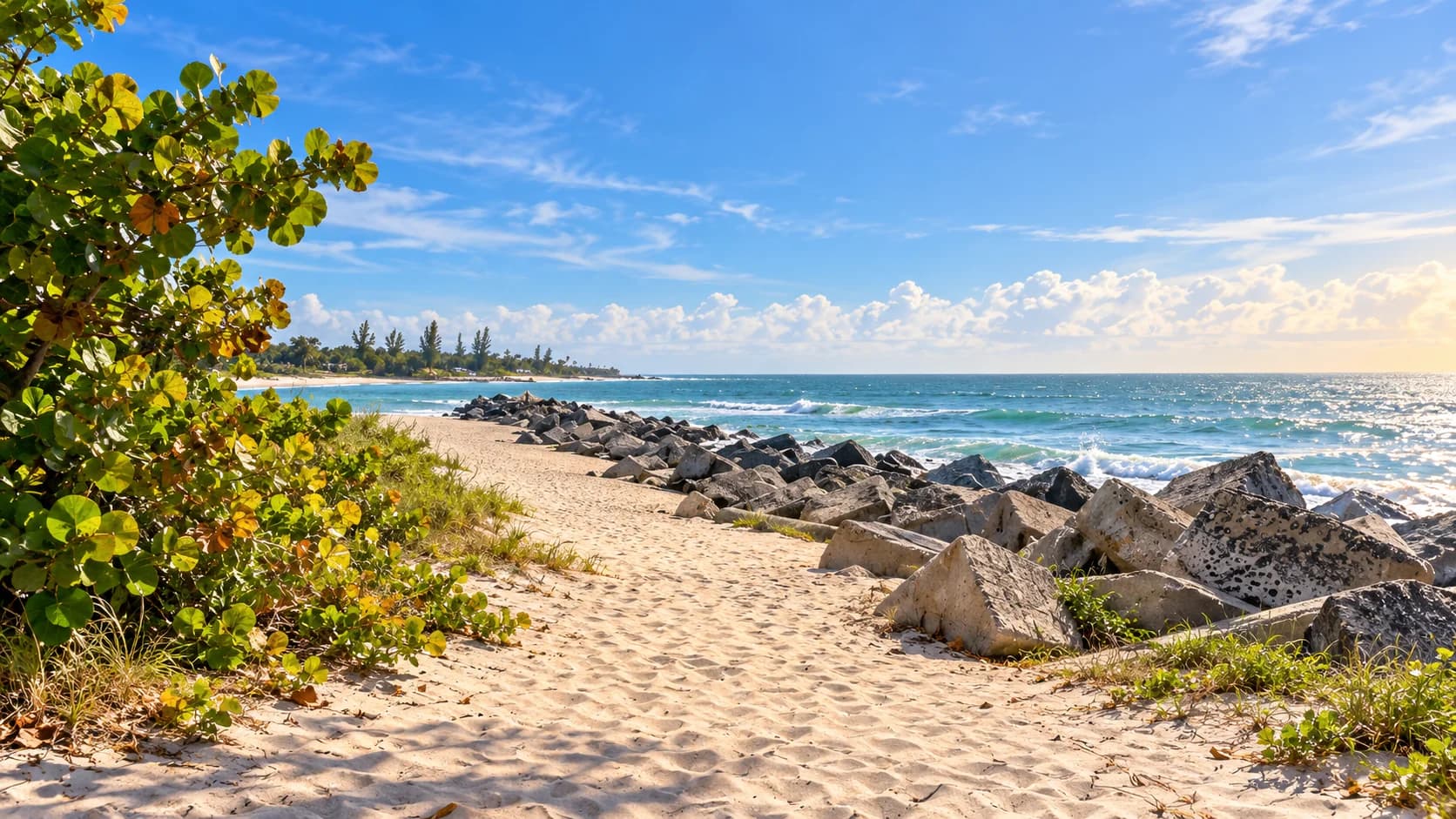
Fort Pierce Inlet State Park offers two kinds of water in one small outing. The Atlantic beach is for a day on the sand; the inlet side is a place to watch water, boats, and birds. You can also add a nature walk, though the beach and preserve routes deserve different shoes and expectations. Choose your main activity before you load the car.
Florida State Parks describes roughly a half-mile of beach and notes birding at Dynamite Point. A separate Jack Island Preserve trail lies about a mile north of the main park. Those details make a useful plan: spend time where you came to be, then add one second stop if the heat and weather allow.
Related reads
Keep going without starting from scratch.
Quick list
Build the day around one main stop
- Beach day: confirm surf and swim conditions, then settle on the Atlantic side.
- Inlet view: allow time to watch boats and birds without entering the water.
- Nature walk: choose a signed trail and bring closed shoes and drinking water.
- Jack Island: treat it as a separate stop north of the main park.
Beach and inlet are different outings
The Atlantic shore is the place for sand, surf, and a longer pause. The inlet has moving water and a busier visual scene, with boats and shorebirds sharing the view. Do not assume a calm-looking inlet edge is safe for a swim. Currents near inlets can be strong and change quickly. Follow posted guidance and choose a designated swimming area for water time.
The park is compact enough to sample both sides, but trying to carry all your beach gear from one to the other can make the day feel like work. If you are with children, decide on your base first. A beach morning followed by a short inlet look often works better than repeatedly moving towels, cooler, and chairs. Check current park notices for any access limits before committing to a specific parking area.
Make room for the beach itself
Florida State Parks lists about a half-mile of Atlantic beach. Walk enough to find a comfortable spot, then notice the character of this stretch rather than comparing it with a resort beach. Shoreline shape and surf can change after storms. Keep away from dune vegetation and use marked access routes. If you see nesting areas or wildlife protection signs, give them the space requested.
Bring shade, water, and a plan for changing conditions. Lifeguard presence, swimming advisories, and weather are time-sensitive; check the park and local beach information on the day of the trip. A beach that looked placid in yesterday's photos can have rough surf today. If swimming is not advisable, the shoreline still supports a worthwhile walk and time with the ocean, as long as lightning and weather permit.
Local tip
Use the article for evergreen ideas and the newsletter for what is happening right now.
That combination gives you the best shot at finding something that fits the season, your schedule, and what is actually open or active this week.
Dynamite Point rewards patient looking
The park names Dynamite Point as a birding area. Take binoculars if you have them and allow a few minutes to stand still. The birds may be feeding, resting, or absent at the moment you arrive; no species sighting is guaranteed. The interest is partly in the setting itself, where inlet water and nearby habitat create a different scene from the open beach.
Stay on the designated route and observe from a distance. Do not approach birds for a closer photograph or feed them. This is especially important when birds are resting or nesting. Wind, sun, and boat movement can shape the experience as much as wildlife does. A short visit at a good time of day may be more memorable than an extended search in midday heat.
Keep the trail plan distinct from the beach plan
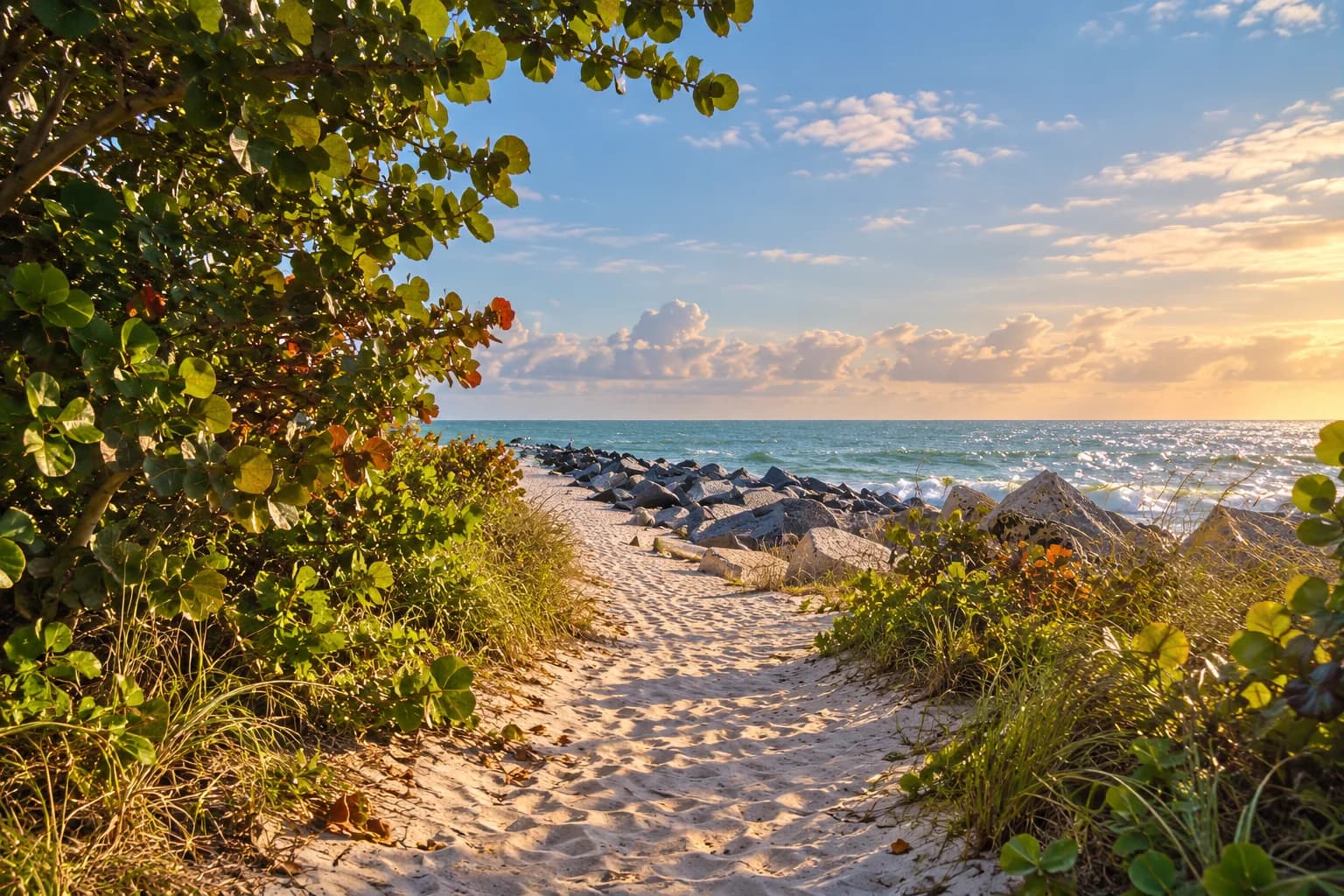
The park lists trails and natural areas away from the sand. Wear shoes suited to roots or uneven ground rather than relying on beach sandals. Take water even if the route looks short on a map. Florida State Parks also identifies Jack Island Preserve about a mile north of the main park, with its own trail experience. Treat it as a separate drive or walk plan; do not assume a seamless beachside connector.
A nature walk is most comfortable earlier in the day. If you have already spent several hours in the sun, save Jack Island for another visit. Look at the current park map and ask staff about open trails if recent weather has affected conditions. The point of adding a trail is to see the coastal habitat at a slower pace, not to turn a relaxing beach day into a forced mileage target.
Check the practical details before leaving
The official park page currently lists a $6 per-vehicle entry fee for a car with two to eight occupants; other categories have different fees. Confirm the current schedule and accepted payment method on the Florida State Parks site. State park fees can change, and a saved screenshot is less reliable than the live hours-and-fees page. Arrive with a payment backup in case a machine or connection is unavailable.
The operator lists beach and picnic amenities, but facilities may close temporarily for repair or weather. Check current notices if a restroom, shower, or accessible beach route is essential to your visit. Pack out trash and secure food around wildlife. Dogs have area-specific rules at state parks, especially on beaches; read the current rule before bringing a pet. An easy day depends more on these small checks than on an elaborate itinerary.
A first visit that leaves room to return
Arrive in the morning, settle on the Atlantic side, and take a walk while the sand is cooler. After a rest, drive or walk to a designated inlet viewpoint and spend time watching the water. If everyone still has energy, choose a short signed nature route. Leave Jack Island for a second outing unless it was the reason you came. This sequence keeps the day from becoming a race between four different environments.
Before you go, read the Florida State Parks page for current hours, fee, swimming guidance, and any closures. Check the forecast again shortly before departure. Fort Pierce Inlet is especially good when you let its contrasts unfold: a beach visit can be enough, and a later trip can focus entirely on birds, the inlet, or the preserve trail.
FAQ
Common questions
Can I swim in the inlet?
Do not treat the inlet as a swimming area. Currents near inlets can be hazardous. Follow posted guidance and use a designated swimming area when conditions permit.
Is Jack Island Preserve inside the main beach area?
Florida State Parks describes it as a separate preserve about a mile north of the main park. Plan it as an additional stop.
What is the current entrance fee?
The official park page currently lists $6 per vehicle for two to eight occupants. Check the live hours-and-fees page for your vehicle type and any updates.
Sources
Reference links
Written by
Derek Brumby
We publish Treasure Coast guides for residents, newcomers, and weekend planners. Our goal is to combine local context, linked source material, and ongoing page updates so a reader can act on the guide instead of just skim it.
Derek Brumby is the sole author and editor. On The Treasure Coast is owned and published by Brumby LLC.
Research and updates
Last verified September 30, 2026
This guide was written and edited by Derek Brumby using linked local and official sources, then reviewed for Treasure Coast planning context.