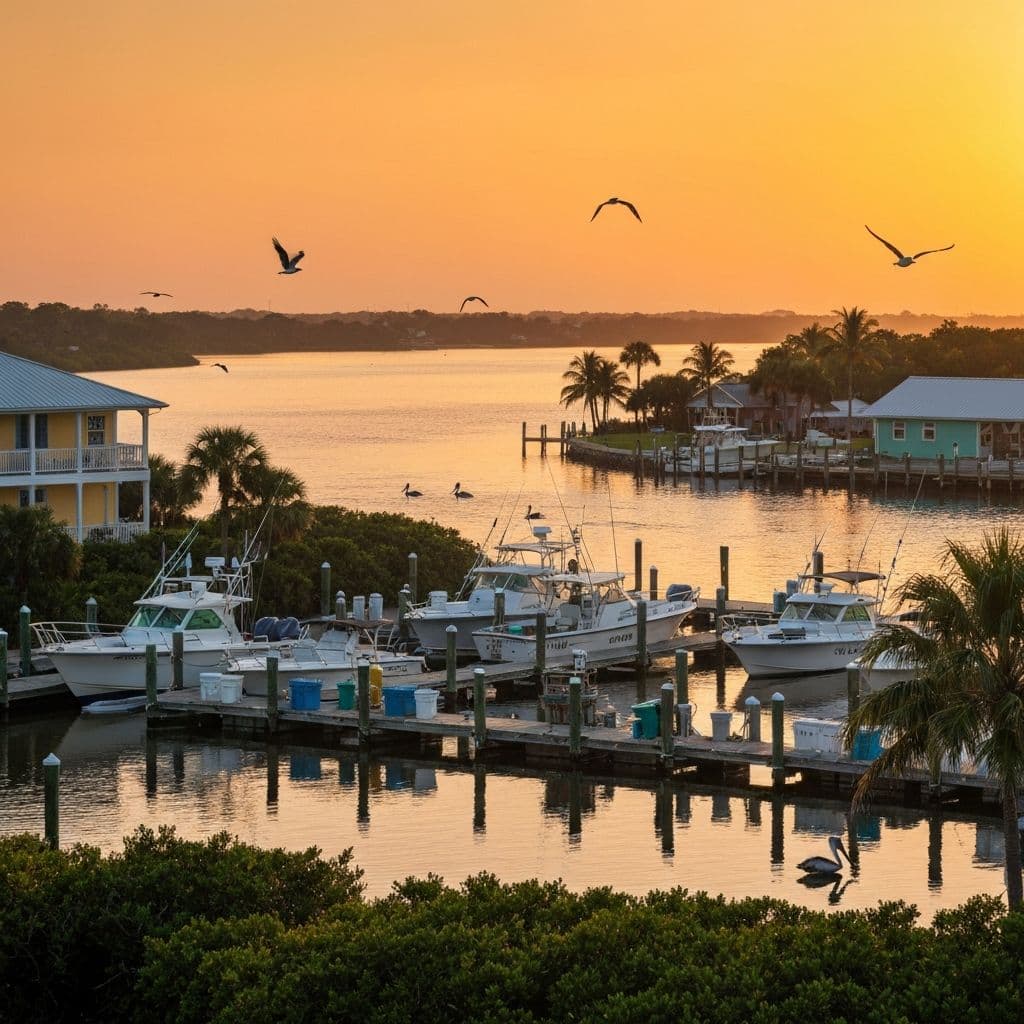
St. Lucie County is one of Florida’s most rewarding wildlife destinations because it packs an unusual variety of habitats into one area: Atlantic beaches, the Indian River Lagoon, freshwater marsh, scrub, pine flatwoods, and river floodplain forest. Local tourism officials highlight more than 20,000 acres of nature preserves in the area, while St. Lucie County says its Environmental Resources Department manages roughly 12,000 acres of preserves and natural areas. Add in the Indian River Lagoon—recognized as one of North America’s most biologically diverse estuaries—and the result is a county with real range for birders, paddlers, photographers, and families who just want to see wild Florida up close.
Related reads
Keep going without starting from scratch.
Quick list
Start with these angles
- Why St. Lucie County is so good for wildlife viewing
- 1) Savannas Preserve State Park
- 2) Fort Pierce Inlet State Park
- 3) Oxbow Eco-Center & Preserve
Why St. Lucie County is so good for wildlife viewing
What makes wildlife watching in St. Lucie County stand out is not just the number of preserves, but how different they are from one another. In a single trip, you can move from a marsh known for wading birds and alligators to coastal dunes and inlet habitats that support shorebirds and sea turtles, then finish in scrub or floodplain forest looking for gopher tortoises, bald eagles, or river wildlife. That kind of habitat stacking is what turns a casual outing into a memorable eco-travel experience.
1) Savannas Preserve State Park
If you only visit one wildlife spot in St. Lucie County, make it Savannas Preserve State Park. Florida State Parks describes the preserve as containing the largest, most ecologically intact stretch of freshwater marsh in southeast Florida. Official park materials also note a wide mix of natural communities, including pine flatwoods, wet prairie, basin marsh, marsh lake, sand pine scrub, and scrubby flatwoods. That habitat diversity is a big reason the park works so well for general wildlife viewing.
Savannas is especially strong if you want more than one kind of wildlife experience in the same stop. At Smith Creek Landing, the two-mile Coastal Strand Trail is noted for rare creatures such as Florida scrub-jays and gopher tortoises, while park listings also highlight marsh access and canoe or kayak opportunities. In practical terms, this is the place to start if you want a classic “Old Florida” landscape with both wetland and upland species in play.

Local tip
Use the article for evergreen ideas and the newsletter for what is happening right now.
That combination gives you the best shot at finding something that fits the season, your schedule, and what is actually open or active this week.
2) Fort Pierce Inlet State Park
For coastal wildlife, Fort Pierce Inlet State Park is the county’s standout. Florida park sources describe more than 700 acres of mangrove swamp, maritime hammock, beach dunes, and seagrass beds inside the park. Those habitats support a long list of native and imperiled species, including gopher tortoise and roseate spoonbill, while the park’s shorelines and hammocks are also popular for birding and nature study.
This is also one of the best places in the county to connect beach time with real wildlife value. State park planning materials say the park provides habitat for loggerhead, green, and leatherback sea turtles, with nesting activity monitored on the beach. If your ideal wildlife outing includes shorebirds, wading birds, inlet views, and a legitimate chance to experience sea turtle habitat, Fort Pierce Inlet belongs near the top of your list.
3) Oxbow Eco-Center & Preserve
Oxbow Eco-Center & Preserve is one of the best wildlife spots in St. Lucie County for beginners, families, and anyone who wants a shorter, easier outing without sacrificing habitat quality. County information says Oxbow has more than four miles of trails through hydric hammocks and pine flatwoods, plus observation towers overlooking marshes and a scenic section along the St. Lucie River.
Oxbow also offers some of the county’s most accessible wildlife viewing. The county says visitors often spot armadillos along the trail edges and sandhill cranes overhead, while the river-side Otter Trail is a place to watch for otters and manatees. The preserve trails are open sunrise to sunset year-round, and admission is always free, which makes Oxbow an easy recommendation for travelers building a low-cost nature itinerary.
4) Bluefield Ranch Preserve
If you want the most expansive back-to-nature experience in the county, head to Bluefield Ranch Preserve. St. Lucie County describes it as the county’s largest and most ecologically diverse preserve, covering 3,285 acres with more than 20 miles of trails. It also has an elevated wildlife observation deck and a wildlife blind, both of which are major advantages if your goal is patient birding or wildlife photography rather than a quick stroll.
Bluefield is a strong pick for serious wildlife watchers because of the species mix the county reports there: bald eagles, swallow-tailed kites, sandhill cranes, meadowlarks, quail, alligators, and red-shouldered hawks. The preserve protects the county’s largest stand of scrub along with bay-gall swamps, pine flatwoods, scrubby flatwoods, and prairie hammock, so it rewards visitors who want to stay longer and cover ground.
5) Indrio Savannahs Preserve
For dedicated birding, Indrio Savannahs Preserve deserves much more attention than it gets. The county says this 297-acre site has three miles of trails, an observation tower, a fishing pier, and a canoe/kayak launch, and it is part of the Great Florida Birding Trail. The preserve protects an extensive freshwater wetland system along with pine flatwoods, scrubby flatwoods, scrub, and depression marsh.
That habitat mix supports exactly the kinds of sightings birders hope for in St. Lucie County: osprey, heron, ibis, egret, spoonbill, sandhill crane, and alligator are all listed by the county as commonly seen wildlife here. If your trip priorities are bird photography, observation towers, and open wetland views, Indrio Savannahs is one of the county’s best-value stops.
6) Ten Mile Creek Preserve
Not every wildlife outing needs to be huge. Ten Mile Creek Preserve is small—just eight acres—but it offers something different from the larger preserves: a quieter, more intimate look at the county’s floodplain and creek ecology. The county says the preserve provides canoe access to Ten Mile Creek and a short interpretive trail through floodplain forest, floodplain swamp, and historic oxbows.
Wildlife commonly seen here includes alligators, herons, egrets, ibis, black vultures, and turkey vultures. That makes Ten Mile Creek a smart choice for paddlers, birders, and photographers who prefer a more enclosed, riverine setting instead of broad marsh or beach landscapes. It is also one of the best places to experience the wooded water side of St. Lucie County.
Honorable mentions
A few smaller preserves are worth adding if you have extra time. D.J. Wilcox Preserve, which borders the Indian River Lagoon, is a strong stop for pelicans, osprey, herons, egrets, wood storks, and spoonbills. Walton Scrub is better for scrub specialists such as gopher tortoises and sand skinks, while Sheraton Scrub is another useful quick stop for scrub-jays and gopher tortoises. These may not be the biggest headline parks, but they add a lot of species depth to a county wildlife itinerary.
Best wildlife viewing tips for St. Lucie County
The easiest way to get better results is to match the preserve to the species you want. Choose Savannas Preserve or Indrio Savannahs for marsh birds and mixed habitats, Fort Pierce Inlet for coastal wildlife and sea turtle habitat, Bluefield Ranch for big-trail birding and scrub-country species, Oxbow for a family-friendly walk with a real chance of seeing wildlife, and Ten Mile Creek for a quieter creek-and-floodplain experience. St. Lucie County says its preserves are generally open from dawn until dusk, and the county’s guided nature hikes are free, with kayak programs offered for a fee from October through June.
If your trip includes beach habitats, remember that St. Lucie County’s sea turtle nesting season runs from March 1 through November 15, and the county says its 21 miles of beaches are important nesting habitat for green, leatherback, and loggerhead sea turtles. Responsible wildlife viewing here means keeping beaches dark, clean, and obstacle-free during nesting season.
Final takeaway
The best places to see wildlife in St. Lucie County are not all trying to do the same job. Savannas Preserve State Park is the best all-around first stop, Fort Pierce Inlet State Park is the coastal standout, Oxbow is the easiest family pick, Bluefield Ranch Preserve is the best big-landscape option, Indrio Savannahs Preserve is a birding favorite, and Ten Mile Creek Preserve is the quiet gem. Together, they show just how much ecological variety St. Lucie County packs into one destination.
FAQ
Common questions
What is the best place for birdwatching in St. Lucie County?
For many birders, Indrio Savannahs Preserve is the best dedicated birding stop because it is part of the Great Florida Birding Trail and commonly reports osprey, heron, ibis, egret, spoonbill, and sandhill crane. Fort Pierce Inlet State Park is also excellent for coastal birding, while D.J. Wilcox Preserve is a good bonus stop for lagoon-edge species such as wood storks and spoonbills.
Can you see alligators in St. Lucie County preserves?
Yes. St. Lucie County lists alligators among the commonly seen wildlife at Indrio Savannahs Preserve, Ten Mile Creek Preserve, Bluefield Ranch Preserve, and Gordy Road Preserve. As in any Florida wild area, give them space and observe from a distance.
Where can you see sea turtles in St. Lucie County?
The best answer is along the county’s beaches—especially habitats connected to Fort Pierce Inlet State Park—during nesting season. St. Lucie County says sea turtle season runs from March 1 to November 15, and the county’s beaches are critical nesting grounds for green, leatherback, and loggerhead turtles. State park materials also note nesting activity at Fort Pierce Inlet State Park.
What is the most family-friendly wildlife spot in St. Lucie County?
Oxbow Eco-Center & Preserve is the easiest family recommendation because it combines free admission, year-round access to trails, shorter walking options, observation towers, and regular public programming. The county also offers free guided nature hikes and family programs, with kayak programs available for a fee.
When is the best time of year to see wildlife in St. Lucie County?
For comfortable guided outings, October through June is especially useful because that is when St. Lucie County runs guided nature programs. Spring is also a strong period because county programming highlights migratory birds, and beach wildlife becomes more important as sea turtle season begins on March 1.
Are these wildlife spots free to visit?
Many county preserves are open from dawn until dusk, and Oxbow says admission is always free. For county-run wildlife outings, hikes and family programs are free, while kayak programs carry a fee. For state-run sites such as Savannas Preserve State Park and Fort Pierce Inlet State Park, it is smart to check current entry details before visiting. A next step could be turning this into a version tailored for a tourism site, law firm blog, local magazine, or city guide tone.
Sources
Reference links
- Nature Centers - Visit St. Lucie
- SAVANNAS PRESERVE STATE PARK
- Savannas Preserve State Park
- Printable Park Guide
- Item 16: Fort Pierce Inlet SP MP
- Plan Your Visit | St. Lucie County, FL
- Bluefield Ranch Preserve | St. Lucie County, FL
- Indrio Savannahs Preserve | St. Lucie County, FL
- Ten Mile Creek Preserve | St. Lucie County, FL
- D.J. Wilcox Preserve | St. Lucie County, FL
- Preserves of St. Lucie County | St. Lucie County, FL
- Sea Turtle Nesting Season | St. Lucie County, FL
- Oxbow Eco-Center & Preserve | St. Lucie County, FL
- Guided Nature Programs | St. Lucie County, FL
Written by
Derek Brumby
We publish Treasure Coast guides for residents, newcomers, and weekend planners. Our goal is to combine local context, linked source material, and ongoing page updates so a reader can act on the guide instead of just skim it.
Derek Brumby is the sole author and editor. On The Treasure Coast is owned and published by Brumby LLC.
Research and updates
Last verified March 18, 2026
This guide was written and edited by Derek Brumby using linked local and official sources, then reviewed for Treasure Coast planning context.