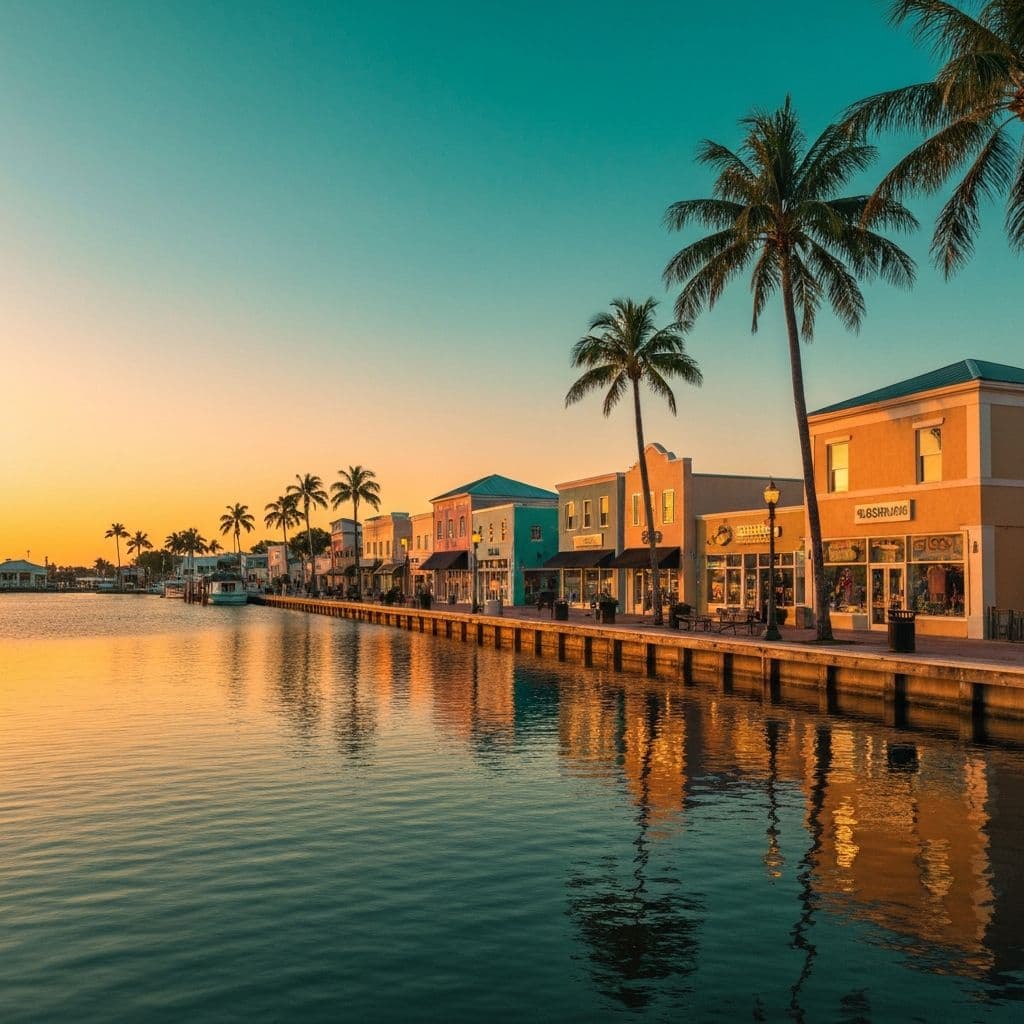
If you want wild Florida without the crowds, Indiantown is one of the strongest bases on the Treasure Coast. This part of Martin County sits close to huge tracts of wetlands, flatwoods, marsh, and cypress habitat, and Martin County’s position in Florida’s tropical ecotone helps explain why the area supports such a rich mix of birds, mammals, reptiles, and wetland species.
The best wildlife experiences around Indiantown are not polished zoo-style encounters. They are early-morning trail walks, quiet marsh overlooks, and long stretches of public land where you may see wading birds lifting out of the grass, an otter slipping into a canal, or a deer stepping out at the edge of the pines. For most visitors, the top places to prioritize are DuPuis Wildlife and Environmental Area, Allapattah Flats Wildlife Management Area, Jones/Hungryland Wildlife and Environmental Area, and J.W. Corbett Wildlife Management Area.
Related reads
Keep going without starting from scratch.
Quick list
Start with these angles
- 1. DuPuis Wildlife and Environmental Area
- 2. Allapattah Flats Wildlife Management Area
- 3. John C. and Mariana Jones/Hungryland Wildlife and Environmental Area
- 4. J.W. Corbett Wildlife Management Area
1. DuPuis Wildlife and Environmental Area
If you only have time for one major wildlife stop, start with DuPuis. The area covers nearly 22,000 acres across southwestern Martin County and northwestern Palm Beach County, with a landscape of pinelands, cypress swamp, freshwater marsh, ponds, wet prairies, and remnant Everglades habitat. It is open to the public year-round and offers extensive hiking access, which makes it one of the most versatile wildlife-viewing areas near Indiantown.
What makes DuPuis so valuable for wildlife watching is its range. FWC says deer, hogs, turkey, alligators, river otters, coyotes, white-tailed deer, and bald eagles all occur here, while the South Florida Water Management District highlights the area’s ponds, marshes, and cypress domes as part of what makes the site so rewarding for recreation and nature study. That variety gives you a real chance at seeing very different animals in one outing rather than just one habitat type.
For readers, this is the place to describe as the best “all-around” wildlife destination near Indiantown: strong habitat diversity, long trail mileage, and solid odds for birds, reptiles, and larger mammals. The main caution is practical: roads and flatwoods can flood in the rainy season, and visitors should check the DuPuis hunting calendar and closure information before going.
2. Allapattah Flats Wildlife Management Area
For birding and open-country wildlife viewing, Allapattah Flats is one of the best places in Indiantown proper. FWC describes it as a large area of marsh and slash pine flatwoods about 15 miles west of Stuart, and the site is open to public access year-round.
This is the spot to recommend for visitors who want easier access and quicker payoffs. The South Florida Water Management District notes that visitors can hike or bike a 1.5-mile shellrock road to a panoramic marsh vista frequented by wading birds. FWC adds that the area protects habitat for rare wildlife including sandhill cranes, wood storks, and crested caracaras, alongside white-tailed deer, wild turkey, and many wetland birds.
In article terms, Allapattah is your “best for birdwatchers” pick. It works especially well for travelers who do not want a long backcountry trek but still want a real shot at iconic Florida species. As with other WMAs, hunting occurs on limited dates, especially between September and March, so readers should check current regulations before visiting.
Local tip
Use the article for evergreen ideas and the newsletter for what is happening right now.
That combination gives you the best shot at finding something that fits the season, your schedule, and what is actually open or active this week.
3. John C. and Mariana Jones/Hungryland Wildlife and Environmental Area
Hungryland is one of the most underrated wildlife areas within reach of Indiantown, especially for people who enjoy a more rugged, less curated outing. The area offers several miles of multi-use trails and canal levees, and officials specifically note that it is great for observing wildlife, with alligators, otters, bobcats, deer, hogs, wading birds, and hawks commonly seen.
FWC’s wildlife guidance adds even more depth: the marshes and canals attract otters and alligators, while the birdlife can include Bachman’s sparrow, limpkin, snail kite, sandhill crane, and swallow-tailed kite. That makes Hungryland especially appealing for repeat visitors who want more than the usual roadside sightings.
This is also one of the easiest places to recommend seasonally. FWC says the best time to hike or bike here is later in the dry season, from March through May, because portions of the trails may flood at other times. It also notes that no daily-use permit is required, which makes Hungryland a strong choice for flexible, low-friction wildlife trips.
4. J.W. Corbett Wildlife Management Area
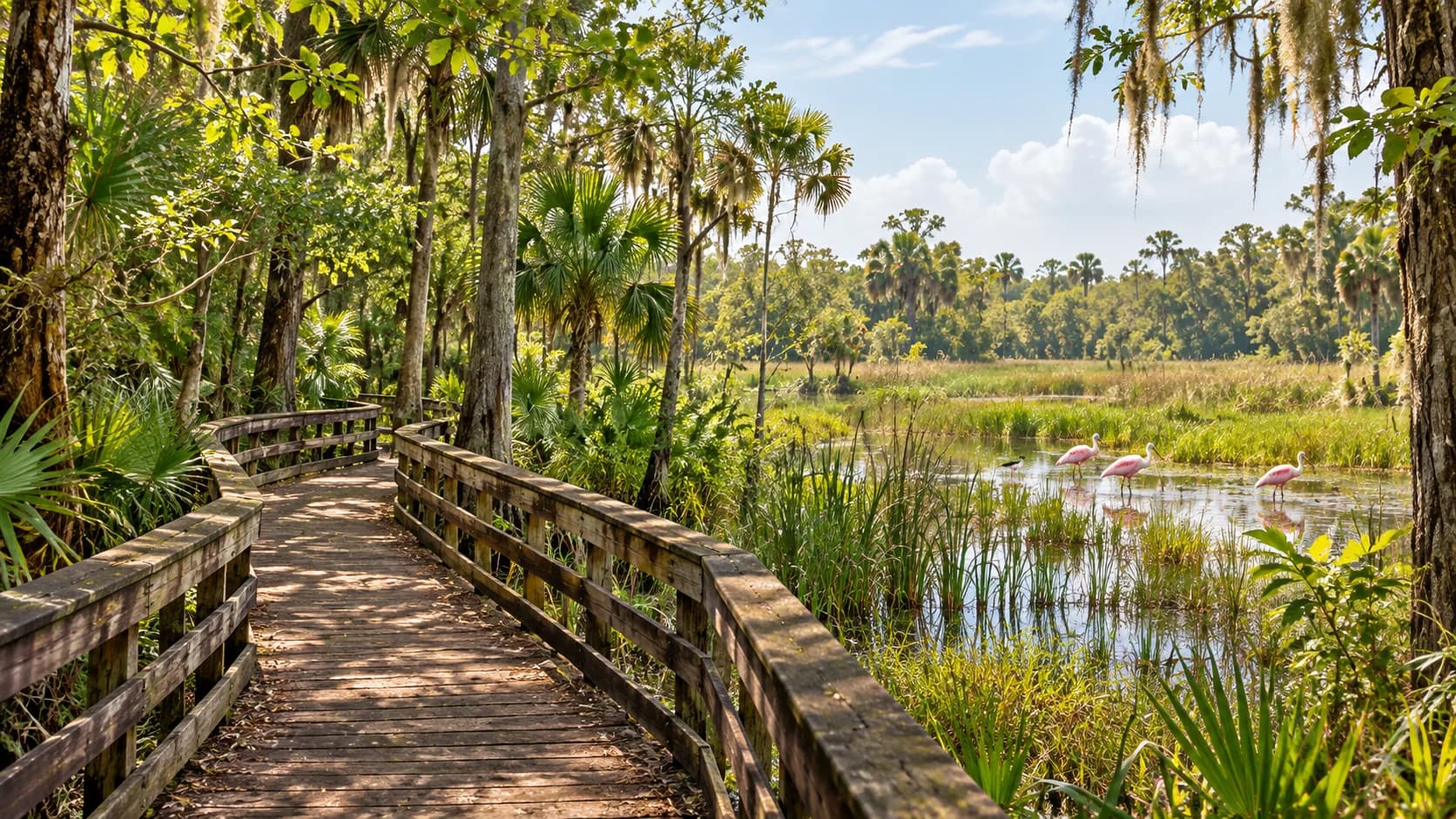
J.W. Corbett is not in Indiantown proper, but it belongs in this article because it is one of the biggest and most rewarding wildlife-viewing day trips from the broader Indiantown area. FWC describes Corbett as a 60,330-acre wildlife management area with diverse habitats and a year-round wildlife-viewing anchor: the 1.2-mile Bald Cypress Boardwalk and Trail.
Corbett is especially strong for serious birders and photographers. FWC lists red-cockaded woodpecker, Bachman’s sparrow, endangered snail kite, sandhill cranes, migratory warblers, roseate spoonbills, wood storks, ibises, tricolored herons, and other wading birds among its notable wildlife. The boardwalk also offers chances to see deer, bobcats, otters, raccoons, owls, and hawks, particularly in the early morning or late afternoon.
From a content strategy perspective, Corbett is your “best for a bigger wildlife adventure” section. It also gives the article authority because it broadens the guide beyond one or two local trails. Readers do need to know that a daily-use permit is required unless they already have a WMA permit, and that hunting access rules and seasonal closures should be checked ahead of time.
When to Go for the Best Wildlife Viewing
For many visitors, the sweet spot is the cooler, drier part of the year. At Corbett, FWC says hiking the Bald Cypress Boardwalk is most pleasant in fall, winter, and spring, and notes that the cooler, drier months are good for observing wading birds. At Hungryland, FWC says hiking and biking are best later in the dry season, especially March through May, when trails are less likely to be flooded and birding becomes more concentrated as wetlands begin to dry down.
That does not mean summer is a bad time to go. It means expectations should shift. Wet-season visits can be beautiful and productive, but trail conditions are wetter, wildlife may be more dispersed, and access logistics matter more. For an easier first trip, recommend sunrise or early morning in the dry season, especially for birds and larger mammals. Corbett specifically notes that deer and bobcats are most likely in early morning and late afternoon.
Practical Tips for Seeing More Wildlife in Indiantown
Arrive early, move slowly, and prioritize edge habitat where pines, marsh, and canal systems meet. Those transition zones tend to produce the most action. Bring binoculars, water, sun protection, and shoes that can handle mud or standing water on inland trails.
It is also smart to tell readers to check official calendars before visiting WMAs and WEAs, especially during hunting seasons. DuPuis advises visitors to check scheduled hunting dates and closures, Allapattah has quota hunts on limited days between September and March, Hungryland has fall hunts, and Corbett has permit requirements plus seasonal access rules.
Finally, wildlife viewing works best when visitors keep their distance. Martin County’s tourism guidance tells visitors not to feed wildlife, to give animals space, and to keep pets leashed on trails. That is good ethics, and it also leads to better sightings because animals behave more naturally when people do less.
Final Takeaway
The best places to see wildlife in Indiantown are the places that still feel wild: DuPuis for variety, Allapattah Flats for accessible birding, Hungryland for marsh-and-canal wildlife, and J.W. Corbett for a more ambitious wildlife day trip. Together, they give Indiantown something many Florida destinations cannot: a real chance to experience inland wild Florida at scale.
FAQ
Common questions
What is the best place to see wildlife in Indiantown?
For overall variety, DuPuis is the strongest single pick because it combines wetlands, pinelands, marsh, and cypress habitat with year-round public access and a wide range of wildlife. For easier birding, Allapattah Flats is often the better choice.
Is Indiantown good for birdwatching?
Yes. Allapattah Flats is known for sandhill cranes, wood storks, crested caracaras, and wading birds; Hungryland can produce snail kite, limpkin, sandhill crane, and swallow-tailed kite; and Corbett is strong for migratory warblers, roseate spoonbills, wood storks, and other marsh birds.
When is the best time of year to see wildlife in Indiantown?
The cooler, drier months are generally the most comfortable and productive. FWC specifically recommends fall through spring for Corbett’s boardwalk and says Hungryland hiking and biking are best later in the dry season, especially March through May.
Are the wildlife areas around Indiantown free to visit?
It depends on the site. DuPuis is a no-cost area with year-round public access, Allapattah Flats is open year-round, and Hungryland does not require a daily-use permit. J.W. Corbett does require a daily-use permit unless the visitor already has a WMA permit.
Do I need to worry about hunting seasons when visiting?
Yes. DuPuis, Allapattah, Hungryland, and Corbett all have hunting activity or hunt-related access rules at certain times. Visitors should check each area’s official calendar or regulations brochure before heading out, and Corbett advises wearing fluorescent orange during scheduled hunt days.
Sources
Reference links
- DuPuis Wildlife and Environmental Area | FWC
- Martin County Wildlife | Martin County
- Allapattah Flats Wildlife Management Area | FWC
- Allapattah Flats Wildlife Management Area | South Florida Water Management District
- John C. and Mariana Jones/Hungryland Wildlife and Environmental Area | South Florida Water Management District
- Jones/Hungryland - Wildlife | FWC
- Jones/Hungryland - Planning Your Visit | FWC
- J. W. Corbett Wildlife Management Area | FWC
- J.W. Corbett - Wildlife | FWC
- J.W. Corbett - Planning Your Visit | FWC
- DuPuis Management Area | South Florida Water Management District
Written by
Derek Brumby
We publish Treasure Coast guides for residents, newcomers, and weekend planners. Our goal is to combine local context, linked source material, and ongoing page updates so a reader can act on the guide instead of just skim it.
Derek Brumby is the sole author and editor. On The Treasure Coast is owned and published by Brumby LLC.
Research and updates
Last verified March 18, 2026
This guide was written and edited by Derek Brumby using linked local and official sources, then reviewed for Treasure Coast planning context.