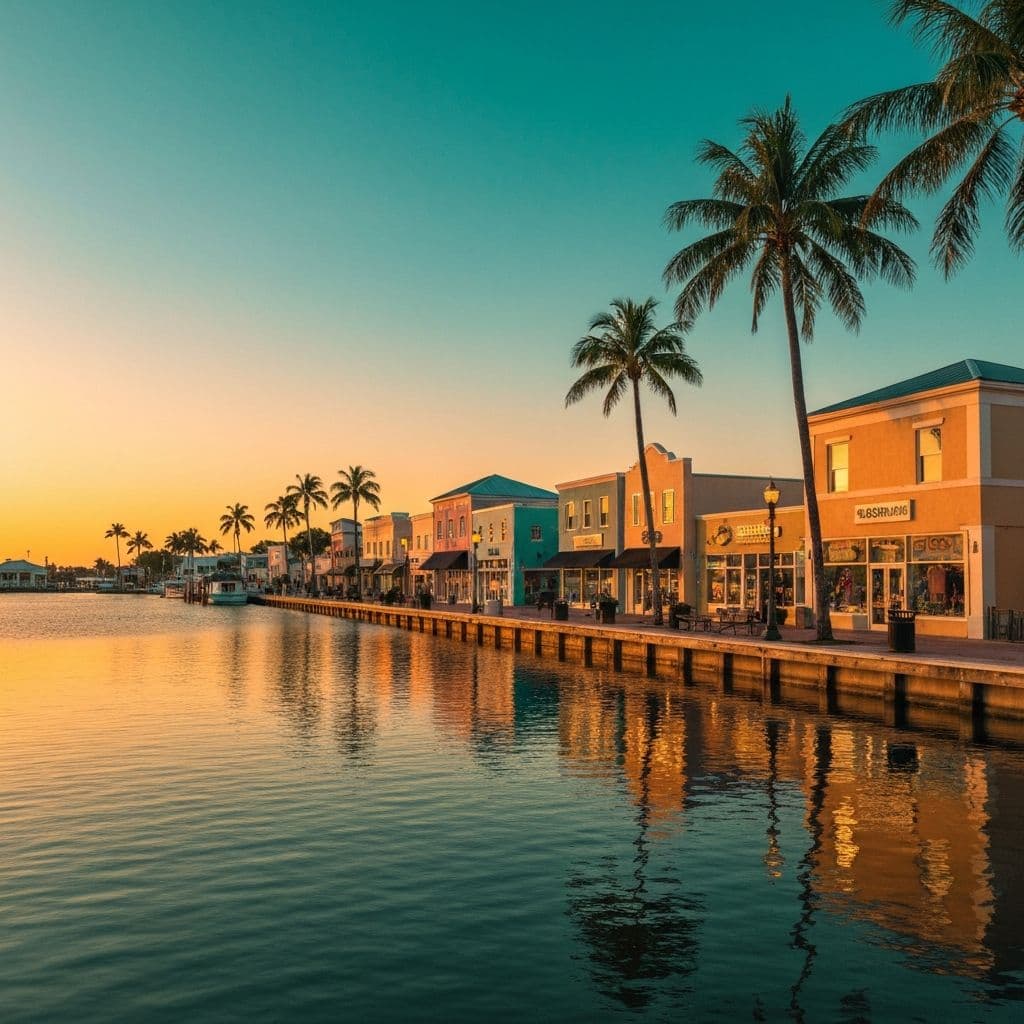
If you are choosing between Indiantown and Vero Beach for a Florida weekend trip, the better pick for most travelers is Vero Beach. It offers the fuller short-stay package: uncrowded Atlantic beaches, ocean-adjacent shops and restaurants, more lodging variety, arts and culture, and easy wildlife outings in one destination. Indiantown is the better choice only if you want a quieter, inland, Old Florida escape centered on nature, heritage, and a slower pace. That conclusion is based on how the two destinations are presented by their own tourism and attraction sites: Vero Beach emphasizes beaches, dining, shopping, culture, and resort-style stays, while Indiantown leans heavily into the Seminole Inn, preserves, wildlife areas, and rural outdoor experiences.
Indiantown feels like a place for travelers who want to unplug. Martin County’s Indiantown page spotlights the restored Seminole Inn plus outdoor areas like Barley Barber Swamp, DuPuis Management Area, and Allapattah Flats. The Seminole Inn itself is marketed as an “old Florida” experience, and the destination’s appeal is tied more to eco-adventure and heritage than to shopping districts, nightlife, or resort amenities. Even the inn listing notes the beach is about 30 minutes away, which underlines the point: Indiantown is not really a beach-town weekend; it is an inland nature-and-history weekend.
Vero Beach, by contrast, is built for the classic two- or three-day coastal getaway. Official Indian River County tourism describes it as a 26-mile stretch of uncrowded, wildlife-rich shoreline with cultural attractions, boutiques, restaurants, and a revived downtown. Its lodging inventory is also broader: official tourism pages say visitors can stay oceanside, on the mainland, or along the Indian River Lagoon, with options for different budgets and tastes. That makes Vero Beach easier to book, easier to personalize, and easier to enjoy without much planning.
What really separates the two is activity density. In Vero Beach, you can spend one morning on the sand, one afternoon at McKee Botanical Garden, and another at the Vero Beach Museum of Art or on the trails at Pelican Island National Wildlife Refuge. McKee says it spans 18 acres and contains more than 10,000 plants; Pelican Island offers seven miles of trails, including the ADA-accessible Centennial Trail; and Downtown Vero hosts a recurring First Friday Gallery Stroll from 5 to 8 p.m. on the first Friday of each month. That is the kind of mix that makes a weekend trip feel full without feeling rushed.
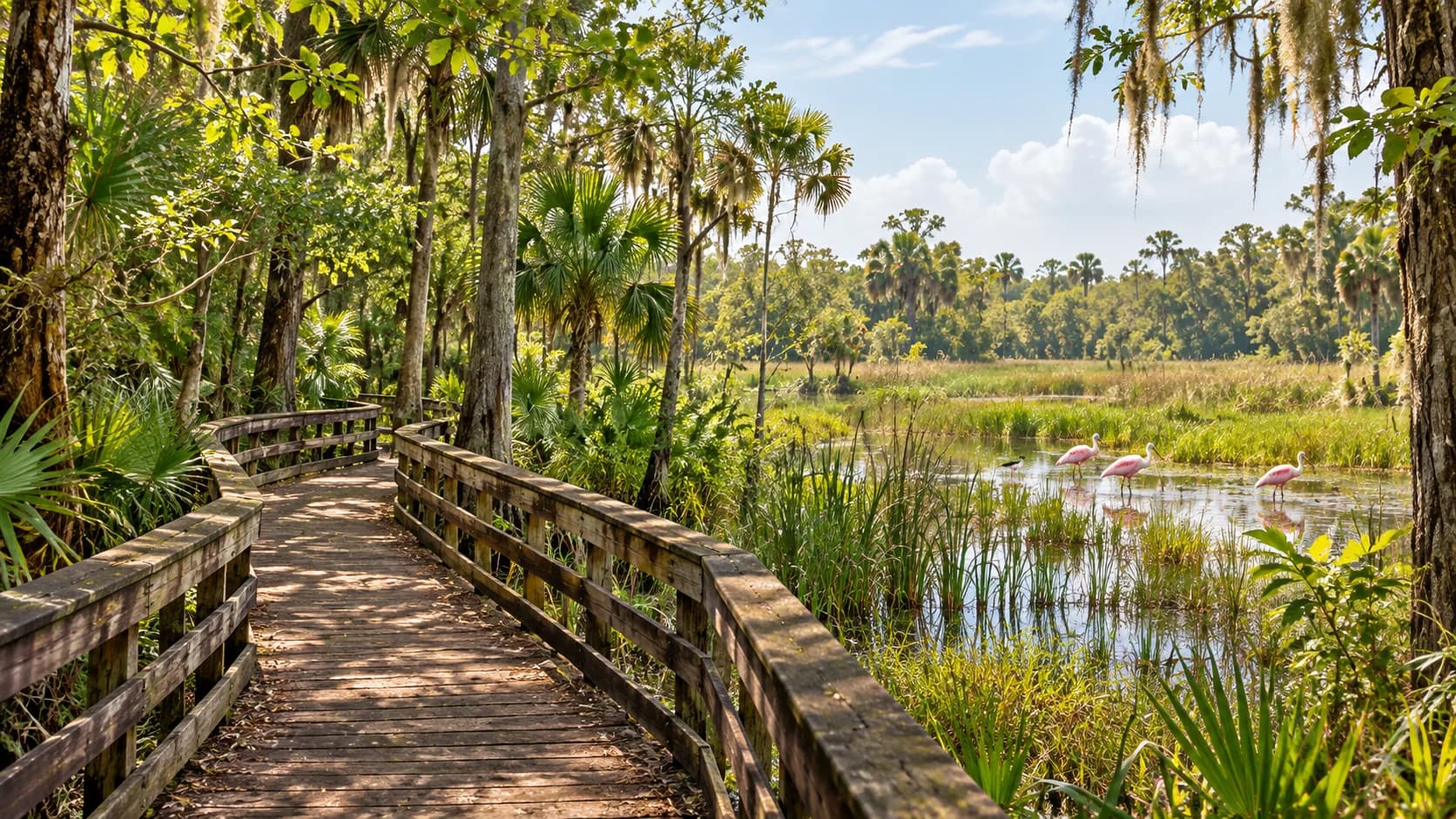
Indiantown’s activity mix is narrower, but it is excellent for the right traveler. Martin County highlights Barley Barber Swamp, DuPuis, and Allapattah Flats as signature experiences. Barley Barber Swamp is described as a 450-acre parcel with one of the oldest bald cypress trees in the southeastern United States, estimated at more than 1,000 years old. DuPuis offers 35 miles of hiking trails plus equestrian facilities and campsites, while Allapattah Flats is open year-round and protects marsh and pine flatwoods habitat with species like sandhill cranes, wood storks, and crested caracaras. This is a stronger weekend for hikers, birders, horseback riders, anglers, and travelers who find joy in quiet landscapes rather than beach bars and shopping streets.
That is why the answer depends on what you mean by “better.” For couples, Vero Beach usually wins because it combines scenic beaches, better restaurant density, boutique shopping, galleries, and attractive hotel choices in one compact coastal setting. For families, Vero Beach also tends to win because you can pair beach time with accessible attractions like McKee, the museum, and easy nature walks. For repeat Florida visitors, photographers, and outdoors-focused travelers who want something less polished and less crowded, Indiantown can be the more memorable pick because it feels distinct from the standard beach-weekend template.
Lodging is another deciding factor. Vero Beach’s official tourism site explicitly markets a range of stay types across the coast, mainland, and lagoon areas, which gives travelers more flexibility on price point and trip style. Indiantown’s tourism identity is much more centered on the Seminole Inn, and that is part of the charm, but it also means fewer obvious options if you want a resort feel, a walkable beach district, or multiple hotel choices close to restaurants and attractions.
There is also a convenience issue. A good weekend destination should let you do a lot without too much logistical friction. Vero Beach clusters together beach access, downtown experiences, art, gardens, and wildlife sites, so the itinerary comes together naturally. Indiantown can absolutely deliver a satisfying weekend, but it asks you to be more intentional: pick your outdoor areas, check access conditions, and lean into the rural pace. Martin County’s own ecotourism program reinforces that identity by promoting guided eco-experiences year-round rather than a classic resort-town lineup.
Related reads
Keep going without starting from scratch.
Quick list
Start here first
- Final Verdict
Final Verdict
For a typical weekend trip, Vero Beach is better. It is more versatile, more vacation-ready, and easier to recommend broadly because it blends beaches, culture, dining, lodging, and nature in one place. Indiantown is better for a niche weekend: quiet, outdoorsy, rural, and rooted in Old Florida character. If your ideal escape involves a historic inn, wildlife areas, and fewer crowds, choose Indiantown. If your ideal weekend means sunrise on the beach, a good lunch, a garden or museum stop, and an easy evening downtown, choose Vero Beach.
FAQ
Common questions
Is Indiantown worth visiting for a weekend?
Yes, especially if you want a quiet, nature-first getaway. Indiantown is best for travelers interested in the Seminole Inn, Barley Barber Swamp, DuPuis, and Allapattah Flats, rather than beach-town entertainment.
Is Vero Beach better than Indiantown for couples?
Usually, yes. Vero Beach offers a stronger mix of uncrowded beaches, dining, boutique shopping, cultural attractions, and flexible lodging, which makes it easier to build a romantic weekend without much effort.
Which destination is better for outdoor lovers?
It depends on the kind of outdoors you want. Indiantown is better for inland hiking, wildlife areas, equestrian trails, birding, and Old Florida landscapes. Vero Beach is better for beach walks, coastal wildlife, botanical gardens, and easier-access nature stops like Pelican Island.
Which place has better beaches?
Vero Beach, easily. Official tourism positions Vero Beach around its long, uncrowded Atlantic shoreline, while Indiantown’s signature lodging listing literally notes the beach is about 30 minutes away, confirming that beach access is not the destination’s main draw.
Is Vero Beach better for families?
For most families, yes. Vero Beach offers beach access plus varied attractions like McKee Botanical Garden, the Vero Beach Museum of Art, and easy refuge trails, which gives parents more options over a two- or three-day stay.
When is the best time to choose Vero Beach over Indiantown?
Choose Vero Beach when you want the fullest coastal experience, especially if you are interested in sea turtle nesting season, which Indian River County highlights from March 1 through October 31. During that period, the coast becomes especially compelling for nature-minded visitors.
Sources
Reference links
Written by
Derek Brumby
We publish Treasure Coast guides for residents, newcomers, and weekend planners. Our goal is to combine local context, linked source material, and ongoing page updates so a reader can act on the guide instead of just skim it.
Derek Brumby is the sole author and editor. On The Treasure Coast is owned and published by Brumby LLC.
Research and updates
Last verified March 18, 2026
This guide was written and edited by Derek Brumby using linked local and official sources, then reviewed for Treasure Coast planning context.