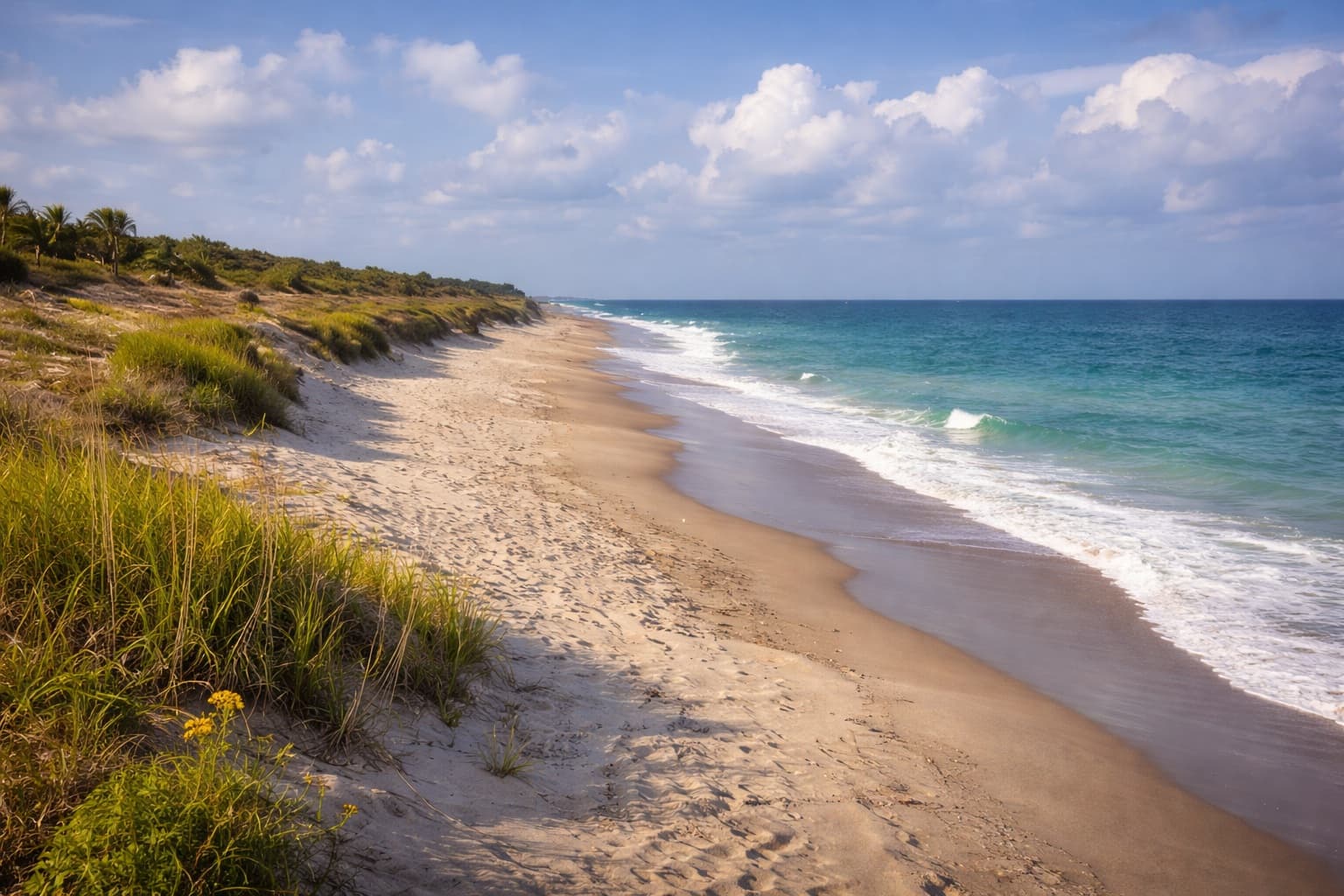
Florida's Treasure Coast is one of the few places in the country where treasure hunting is more than a catchy travel slogan. Across Indian River, St. Lucie, and Martin counties, the 1715 Spanish fleet story still shapes the region's identity, and local coverage in 2025 again underscored that the wreck area can still produce real finds through permitted recovery operations.
But treasure hunting here is broader than salvage headlines. It can mean lawful hobby metal detecting on public beaches, snorkeling shallow historic wreck sites, browsing antique shops and flea markets, visiting treasure museums, or simply beachcombing for shells, sea glass, driftwood, and sea beans. What makes the Treasure Coast special is that discovery still feels like part of ordinary travel here.
Related reads
Keep going without starting from scratch.
Quick list
Best Treasure Coast treasure-hunting angles
- Best classic hobby experience: lawful metal detecting on public beaches
- Best treasure-history museum pairing: McLarty Treasure Museum and Mel Fisher's Treasure Museum
- Best shopping-style treasure hunt: B&A Flea Market plus downtown Vero or Stuart browsing
- Best easy-entry underwater history stop: shallow wreck and snorkel sites near Sebastian and Martin County
Why Florida's Treasure Coast Is a Real Treasure-Hunting Destination
A lot of coastal places sell nostalgia. The Treasure Coast offers something more durable: continuity between the history that named the region and the experiences people still have there now. McLarty Treasure Museum, Mel Fisher's Treasure Museum, and the St. Lucie County Regional History Center keep the 1715 fleet story visible, but the history does not stay inside the museums. It spills onto the beaches, into local browsing districts, and out toward the wreck sites offshore.
That is what makes the region stand out. Treasure here is not limited to coins and silver bars. It might be a ring found through lawful hobby detecting, an antique lamp in a resale shop, a standout flea-market score, a glimpse of wreck structure underwater, or a smooth piece of sea glass picked out of the wrack line. The common thread is that the coast rewards patient looking.
- The Treasure Coast name is tied directly to the 1715 Spanish fleet story
- Treasure hunting here can mean beaches, museums, shops, wreck sites, or beachcombing
- The region works because history and everyday travel still overlap
- Discovery is the core experience, not just rare jackpot finds
Metal Detecting on the Treasure Coast
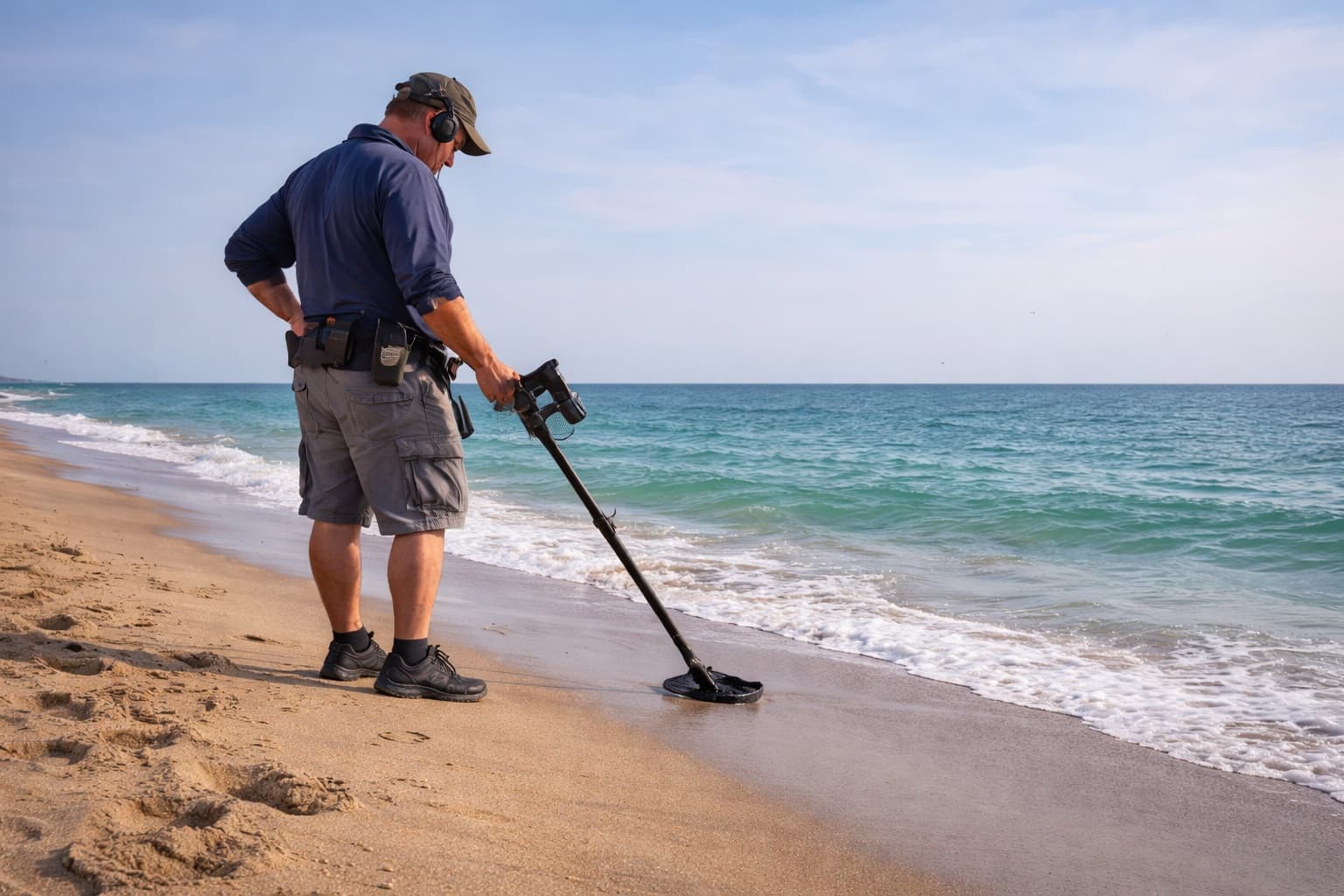
For many visitors, Treasure Coast metal detecting is the classic entry point. The beaches are famous for finds that can appear after storms and shifting sand, and the region's tourism identity still leans into that detectorist culture.
The legal guardrails matter, though. Florida's Division of Historical Resources says metal detecting on state land is generally prohibited except in limited circumstances, and Florida State Parks says metal detecting is prohibited in most state parks except certain designated coastal beach areas. The practical hobby approach is to focus on public beach areas where local rules allow detecting between the high tide line and the toe of the dune, while staying off dunes, out of protected areas, and well clear of archaeological disturbance.
That distinction is the whole game. The enjoyable version of Treasure Coast detecting is lawful hobby detecting, not artifact excavation or salvage. Fill holes, leave the beach clean, do not disturb archaeological resources, and assume that protected lands have tighter rules unless the managing agency clearly says otherwise. Even then, modern coins, jewelry, and ordinary lost objects are still fun finds here because the setting carries real historical weight.
- Focus on lawful hobby detecting in permitted public beach areas
- Stay off dunes and avoid protected lands unless detecting is clearly allowed
- Never disturb archaeological resources or attempt salvage-style recovery
- Storms and sand movement can change conditions quickly
Local tip
Use the article for evergreen ideas and the newsletter for what is happening right now.
That combination gives you the best shot at finding something that fits the season, your schedule, and what is actually open or active this week.
Best Treasure Coast Towns for Antiques, Flea Markets, and Resale Finds
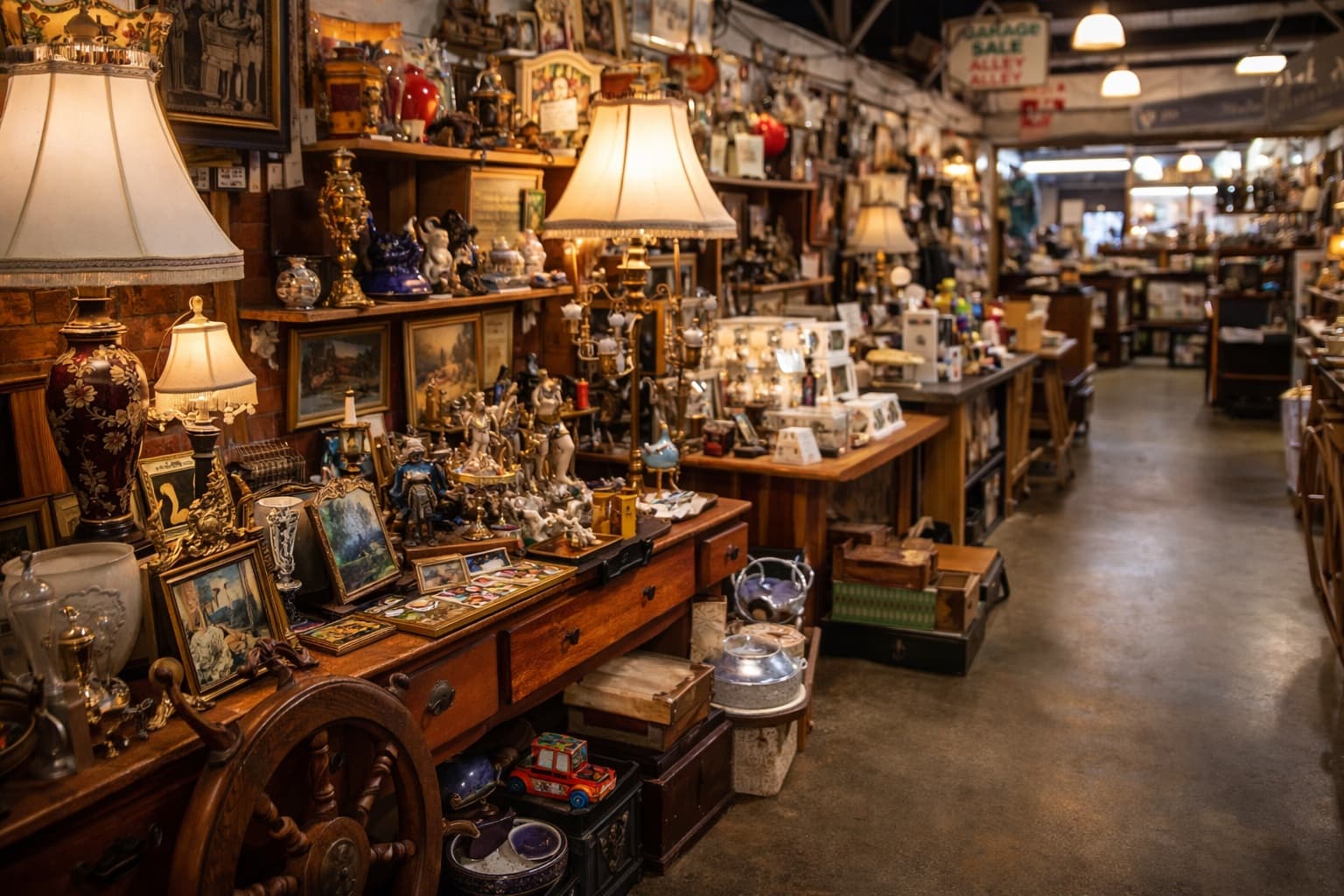
Treasure hunting on the Treasure Coast is not only a beach activity. It also works unusually well as a shopping trip built around flea markets, antiques, consignment shops, and independent browsing districts.
B&A Flea Market in Stuart remains one of the clearest anchor stops. Martin County tourism and the market's own materials frame it as one of the region's major vendor hubs, and it has the kind of mix treasure hunters tend to like: antiques, collectibles, tools, furniture, jewelry, and unpredictable one-off finds. Martin County also points bargain hunters toward Garage Sale Alley for larger resale browsing.
For a more curated version of the hunt, Historic Downtown Vero Beach is the strongest fit. Indian River County tourism highlights antique and consignment shopping there alongside galleries and cafes, which makes it good for travelers who want the thrill of browsing without the full flea-market sprawl. Downtown Stuart is a little more eclectic than antique-specific, while Hobe Sound is the quieter detour for slower browsing and fewer crowds.
- Best big treasure-hunt browse: B&A Flea Market in Stuart
- Best curated antique-and-consignment district: Historic Downtown Vero Beach
- Best eclectic riverfront browse: Downtown Stuart
- Best quieter antique detour: Hobe Sound
Wreck Diving and Snorkeling on Florida's Treasure Coast
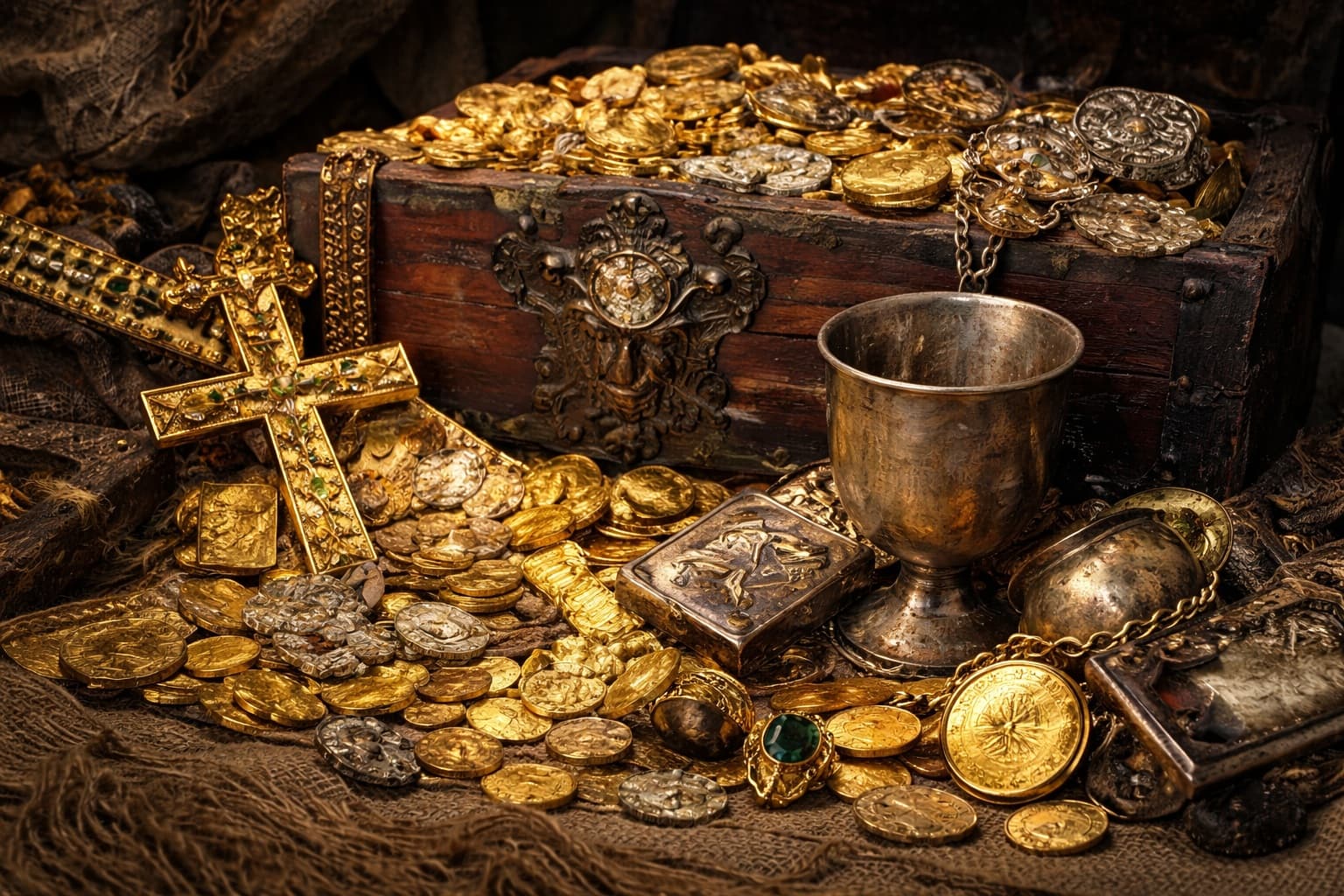
The underwater side of the Treasure Coast is where the region becomes even more distinctive, but it also demands the clearest expectations. Recreational divers cannot casually recover artifacts from historic wreck sites. Florida's underwater-archaeology rules make clear that abandoned shipwrecks in state waters can fall under state ownership and legal protection, and modern treasure recovery happens through permits and tightly controlled salvage arrangements rather than casual sport diving.
That does not reduce the appeal. It just changes the goal from taking objects to seeing the site itself. In Indian River County, the SS Breconshire or Boiler Wreck is one of the most approachable snorkeling options, with shallow access and visible structure. In Martin County, the Georges Valentine Underwater Archaeological Preserve near Gilbert's Bar is one of the strongest history-and-water pairings because it gives snorkelers and divers a way to experience a documented wreck site from shore conditions when visibility cooperates.
In St. Lucie County, Urca de Lima carries perhaps the most direct connection to the 1715 fleet story because it became Florida's first Underwater Archaeological Preserve. The best way to think about these sites is not as places to pocket treasure, but as places to experience why the Treasure Coast story is still so compelling.
- Recreational visitors should treat wreck sites as protected history, not as recovery opportunities
- Boiler Wreck is one of the easiest entry-level snorkeling options
- Georges Valentine is one of the strongest shore-access archaeological-preserve experiences
- Urca de Lima is one of the most meaningful 1715-fleet history sites in state waters
Beachcombing Is the Easiest Treasure Hunt on the Coast
Not every good Treasure Coast find requires a detector or a dive tank. Beachcombing is one of the most approachable and underrated ways to join the hunt. Visit St. Lucie points visitors toward the wrack line as one of the best places to look for shells, sea glass, driftwood, and other natural finds, while Visit Florida continues to highlight sea beans as one of the classic shoreline treasures in this part of the state.
This kind of searching rewards slow observation more than gear. You start to notice how tides sort objects, how wind and weather change what washes ashore, and how some beaches reward patient scanning instead of covering ground quickly. For families and casual travelers, that often makes beachcombing the highest-value way to participate in the Treasure Coast story.
The rules still matter. Florida State Parks notes that empty shells, sea glass, and shark teeth may generally be collected between the water and the toe of the dune, but live shells and wildlife-sensitive areas demand more caution. Martin County's sea turtle guidance also remains relevant: avoid disturbing nests or hatchlings, minimize light at night during nesting season, and fill holes before leaving the beach.
- Best low-barrier treasure-hunt option for families and casual visitors
- Search the wrack line, not the dunes
- Empty shells and sea glass are generally the safer collection targets
- Respect sea turtle nesting areas and sensitive shoreline habitat
Best Treasure Coast Museums for Treasure History
If you want a smarter Treasure Coast trip, start with the museums. McLarty Treasure Museum at Sebastian Inlet State Park is the strongest first stop because it interprets the 1715 fleet disaster right where survivors and salvagers once camped. It gives the coastline immediate context.
Mel Fisher's Treasure Museum in Sebastian adds a more modern treasure-hunting layer through artifacts, salvage history, and the broader culture around Florida shipwreck recovery. In Fort Pierce, the St. Lucie County Regional History Center helps tie the treasure story back into local community history and includes exhibits tied to the fleet and the coast's development.
Taken together, these museums do more than fill a rainy afternoon. They sharpen the way you experience everything else on the trip, from the beaches to the antique stores to the wreck sites offshore.
- Best starting point: McLarty Treasure Museum
- Best salvage-history museum: Mel Fisher's Treasure Museum
- Best local-history complement: St. Lucie County Regional History Center
- The museums make the beaches and wreck sites more meaningful
A 3-Day Treasure Coast Treasure-Hunting Itinerary
Day 1 works best around Sebastian and Vero Beach. Start with McLarty Treasure Museum and Mel Fisher's Treasure Museum, then spend time on a lawful public-beach section or do some slower beachcombing instead of building the day around detecting. Finish with antique and consignment browsing in Vero Beach.
Day 2 is strongest in Stuart and on Hutchinson Island. Start at B&A Flea Market, browse Downtown Stuart, then head toward Gilbert's Bar and the Georges Valentine area if conditions and your skill level make a snorkel or dive realistic. If you were planning around the House of Refuge Museum itself, note that it remains closed for renovation, so treat this as an exterior-history-and-water day rather than a museum-interior stop for now.
Day 3 works well in Fort Pierce and St. Lucie County. Visit the St. Lucie County Regional History Center, use that to ground the 1715 fleet story in local history, and spend the afternoon beachcombing or doing a legal, low-impact beach walk rather than chasing a full salvage fantasy.
- Day 1: Sebastian and Vero Beach for museums plus browsing
- Day 2: Stuart and Hutchinson Island for flea-market finds and water history
- Day 3: Fort Pierce for history and a slower shoreline finish
- Best rule: build around history and discovery, not around unrealistic recovery expectations
Final Thoughts
The best thing about treasure hunting on Florida's Treasure Coast is that the region does not reduce treasure to fantasy. It turns treasure into a way of traveling: museum visits, beachcombing, lawful metal detecting, browsing antique districts, exploring flea markets, and seeing protected wreck history in context.
That is what makes the coast rewarding for both serious hobbyists and curious travelers. The point is not only to find something valuable. It is to move through the region with better context, sharper eyes, and a more realistic understanding of how history still sits just beneath the surface here.
- Treasure hunting here is broader than coins and salvage
- History, legality, and context matter as much as the find itself
- The Treasure Coast rewards patient, observant travel
- Museums, beaches, browsing districts, and wreck sites all belong in the same trip
FAQ
Common questions
Can you metal detect on Florida's Treasure Coast?
Yes, in some public beach areas, but the rules vary by location. Florida generally restricts detecting on many protected lands and most state park areas, so the safe approach is to check local rules first and stick to lawful hobby detecting in clearly permitted public beach zones.
What is the Treasure Coast known for?
The Treasure Coast is best known for the 1715 Spanish fleet wreck story, shipwreck history, museum stops such as McLarty and Mel Fisher's, quieter Atlantic beaches, fishing, boating, and a broader culture of discovery that includes beachcombing, antiquing, and flea-market browsing.
What are the best treasure-history museums on the Treasure Coast?
McLarty Treasure Museum, Mel Fisher's Treasure Museum, and the St. Lucie County Regional History Center are three of the strongest museum stops for travelers who want the fleet story, salvage history, and local context.
Can divers recover treasure from shipwrecks on the Treasure Coast?
Not recreationally. Historic wreck sites in Florida waters are tightly regulated, and artifact recovery is handled through permits and formal legal arrangements rather than casual sport diving.
What can you find while beachcombing on the Treasure Coast?
Common finds include shells, sea glass, shark teeth, driftwood, and sea beans, especially along the wrack line, as long as you respect wildlife protections and avoid taking live shells from sensitive areas.
Sources
Reference links
- Florida's Treasure Coast
- A Guide to Treasure Coast Beaches | Visit Florida
- McLarty Treasure Museum | Sebastian Inlet State Park
- Must-See Museums | Visit Indian River County
- Why the Treasure Coast Is Called the Treasure Coast | Visit Indian River County
- Underwater Archaeology FAQ | Florida Department of State
- Archaeology FAQ | Florida Department of State
- Laws | Florida Division of Historical Resources
- A Guide to Metal Detecting in Florida | Visit Florida
- Shop Vero Beach | Visit Indian River County
- B&A Flea Market
- Historic Downtown Vero Beach
- Stuart | Martin County
- Visit Hobe Sound | Martin County
- Diving and Snorkeling Options in Indian River County
- Dive In | Martin County
- Urca de Lima
- Seashell Guide for Beachcombers | Visit St. Lucie
- Beach Guide - Hutchinson Island | Visit Florida
- Florida State Parks FAQ
- Sea Turtle Nesting Season in Martin County
- Mel Fisher's Treasure Museum
- St. Lucie County Regional History Center
- B&A Flea Market | Martin County
Written by
Derek Brumby
We publish Treasure Coast guides for residents, newcomers, and weekend planners. Our goal is to combine local context, linked source material, and ongoing page updates so a reader can act on the guide instead of just skim it.
Derek Brumby is the sole author and editor. On The Treasure Coast is owned and published by Brumby LLC.
Research and updates
Last verified March 14, 2026
This guide was written and edited by Derek Brumby using linked local and official sources, then reviewed for Treasure Coast planning context.