Allow roughly two to three hours for a first visit to the Navy SEAL Museum in Fort Pierce if you want both the galleries and outdoor exhibits. That is our planning estimate, not an official minimum or a timed museum tour. A visitor who reads military-history labels closely may stay longer; a family concentrating on a few large artifacts may finish sooner. The museum's current visitor page does not give a standard visit duration.
The Fort Pierce museum is at 3300 North Highway A1A on North Hutchinson Island. It preserves the history of naval special warfare on the shore where earlier naval demolition units trained during World War II. This is a substantial military-history visit with equipment, operational stories, and memorials. Plan for some time outside, even if you are choosing the museum as part of a rainy-day itinerary.
Related reads
Keep going without starting from scratch.
Quick list
The question this guide answers
- Our suggested allowance is two to three hours for indoor and outdoor exhibits. It is an editorial estimate; the current official visitor page does not specify a standard duration.
Admission and the operating week
The museum's visitor page lists Tuesday through Saturday hours of 10 a.m. to 4 p.m., Sunday noon to 4 p.m., and Monday closure. On September 30, 2026, general admission was $16 for ages thirteen and older and $8 for ages six through twelve. Children five and younger were free. The listed senior, veteran, and first-responder admission was $13. Check eligibility and current prices before buying.
Arrive early enough to use the full visit window. A two-hour visit beginning at 3 p.m. cannot fit a 4 p.m. closing time. If you are combining the museum with lunch or another attraction, put the museum first or make the meal reservation flexible. The gift shop can be visited without buying museum admission, but that access should not be mistaken for access to the exhibits.
Why the museum is in Fort Pierce
The museum's history connects this location with World War II training by Naval Combat Demolition Units and Underwater Demolition Teams, often called frogmen. The museum opened in 1985 and received national museum recognition in 2007. Its location gives the early training story a physical setting beyond the objects in the cases.
Read the early history before jumping directly to recent operations. It explains why beach obstacles, diving equipment, and small boats belong together in the collection. The work developed across different units and periods; the modern SEAL identity should not be pasted onto every wartime artifact. You can use the galleries as a sequence of changing missions and equipment rather than a list of famous operations.
Local tip
Use the article for evergreen ideas and the newsletter for what is happening right now.
That combination gives you the best shot at finding something that fits the season, your schedule, and what is actually open or active this week.
Choose a few exhibits to read closely
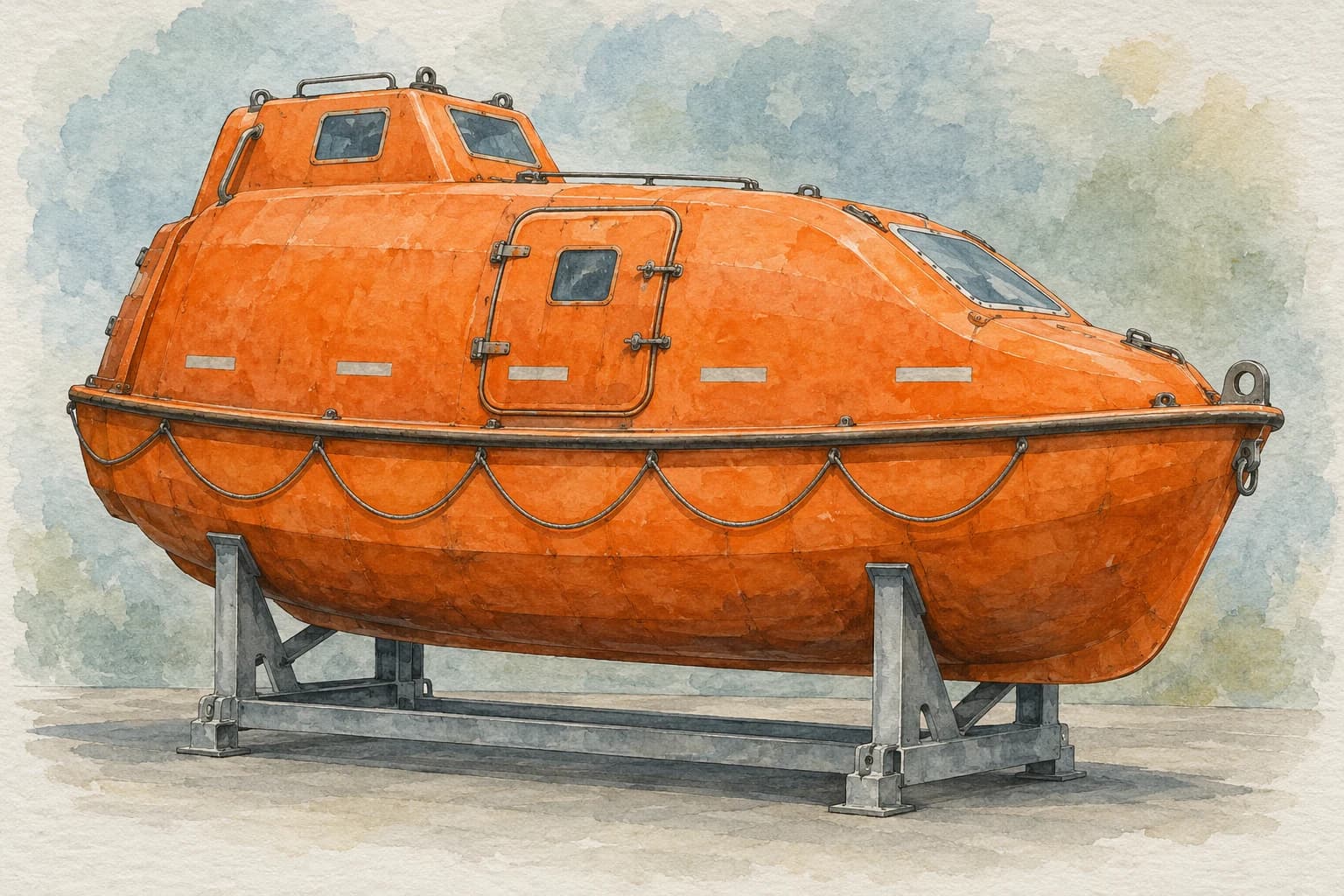
The exhibit directory includes World War II and Cold War galleries, the Maersk Alabama lifeboat associated with the rescue of Captain Richard Phillips, a Black Hawk helicopter, SEAL delivery vehicles, and a Mark V special operations craft. Display access can change, so follow the instructions at each object instead of assuming every photographed interior remains open for visitors to enter.
For a short visit, pick one historical gallery and one large artifact, then leave time for the memorials. For a longer visit, compare the different kinds of movement represented in the equipment: swimming, small craft, aircraft, and underwater transport. Ask children what problem each object was designed to solve. That question has more staying power than trying to remember the name and specifications of every vehicle.
Outdoor exhibits and memorials need their own time
The collection extends beyond the indoor galleries. The museum's current Fort Pierce page describes a SEAL memorial and a K9 memorial on the property. Treat these as places for quiet attention, especially when visiting with a group. A memorial stop may take only a few minutes, but it deserves room in the itinerary rather than becoming something you pass while hurrying to the car.
The outside portion also changes what to bring. Sun protection and water are useful even on an otherwise indoor museum day. If weather interrupts the outdoor exhibits, spend that time in the galleries and ask staff whether the grounds can be revisited during your admission. Do not assume a return policy without checking. A wet or windy afternoon can make the same itinerary feel very different from a calm morning.
Is it suitable for children?
Large boats, vehicles, and equipment can make the museum accessible to children who are not yet interested in long exhibit labels. The subject includes war, weapons, hostage rescue, and deaths in service. Decide what your child is ready to discuss and stay involved in the visit. The family-friendly question is less about a single age cutoff than about attention, interest, and how you explain what is on display.
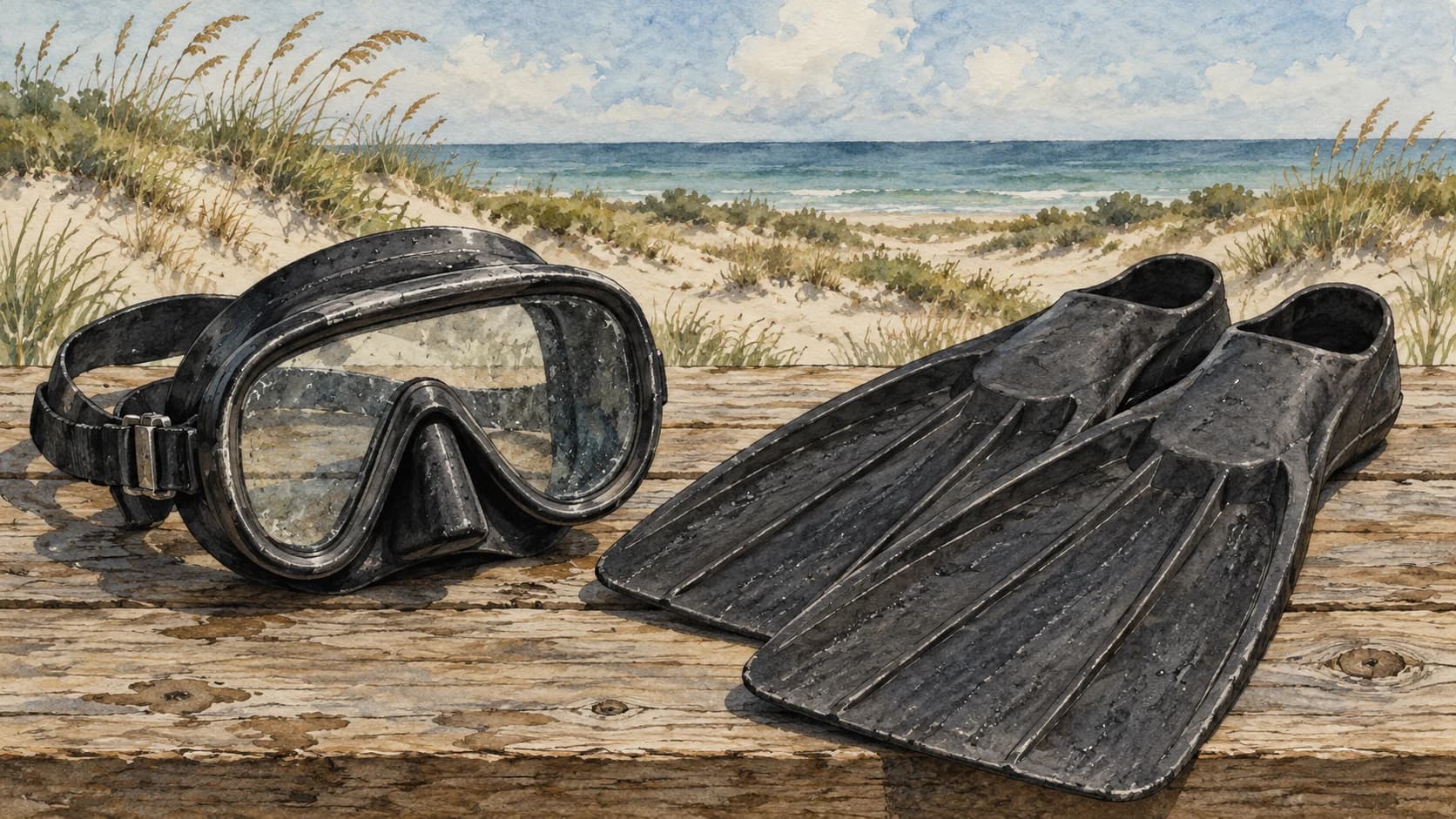
Before entering a gallery, give children one thing to look for. A diving mask can lead to questions about working underwater; a boat can start a conversation about reaching a shore. Keep the pace flexible and take a break before everyone is tired. For other options in the region, our Treasure Coast museum guide for children can help you choose an attraction with a different subject or a shorter visit.
Accessibility, dogs, and scheduled demonstrations
The visitor page limits animals inside the fence and museum to service animals. Leave a pet with an appropriate caregiver instead of counting on outdoor exhibits being an exception. If you use a wheelchair or need access to a specific vehicle interior, contact the museum about that exact part of the visit. Large artifacts can have different boarding or viewing arrangements from the gallery paths around them.
The Fort Pierce program page lists dated demonstrations and events. A K9 demonstration is a scheduled activity, not a promise attached to every ordinary admission. The same page had a 2026 Saver Thursday promotion and an exhibit ending September 30. Read dates carefully; a saved search result can outlast an event. Book the actual experience you want, then leave enough time to see the regular collection even if the special program changes.
FAQ
Common questions
How long does it take to go through the Navy SEAL Museum?
Our suggested allowance is two to three hours for indoor and outdoor exhibits. It is an editorial estimate; the current official visitor page does not specify a standard duration.
Is the Navy SEAL Museum free?
Ordinary adult admission is paid. Children five and younger are free under the current general policy. Special discounts or access programs should be checked for the date and eligibility involved.
Is the Fort Pierce museum the only Navy SEAL museum?
No. Its current website also identifies the Navy SEAL Museum in San Diego, which opened in 2025. Older descriptions calling Fort Pierce the only such museum are outdated.
Sources
Reference links
Written by
Derek Brumby
We publish Treasure Coast guides for residents, newcomers, and weekend planners. Our goal is to combine local context, linked source material, and ongoing page updates so a reader can act on the guide instead of just skim it.
Derek Brumby is the sole author and editor. On The Treasure Coast is owned and published by Brumby LLC.
Research and updates
Last verified September 30, 2026
This guide was written and edited by Derek Brumby using linked local and official sources, then reviewed for Treasure Coast planning context.